From: Essay X² <essayx@substack.com>
Date: Sun, May 10, 2026 at 9:40 AM
Subject: The Energy Shock of 2026: A Crisis Forged by Policy Failure and Geopolitical Blindness
To: <sparrowhp3@gmail.com>

The Energy Shock of 2026: A Crisis Forged by Policy Failure and Geopolitical BlindnessHow reliance on fossil fuel chokepoints and short‑sighted leadership turned a regional conflict into a global energy emergency
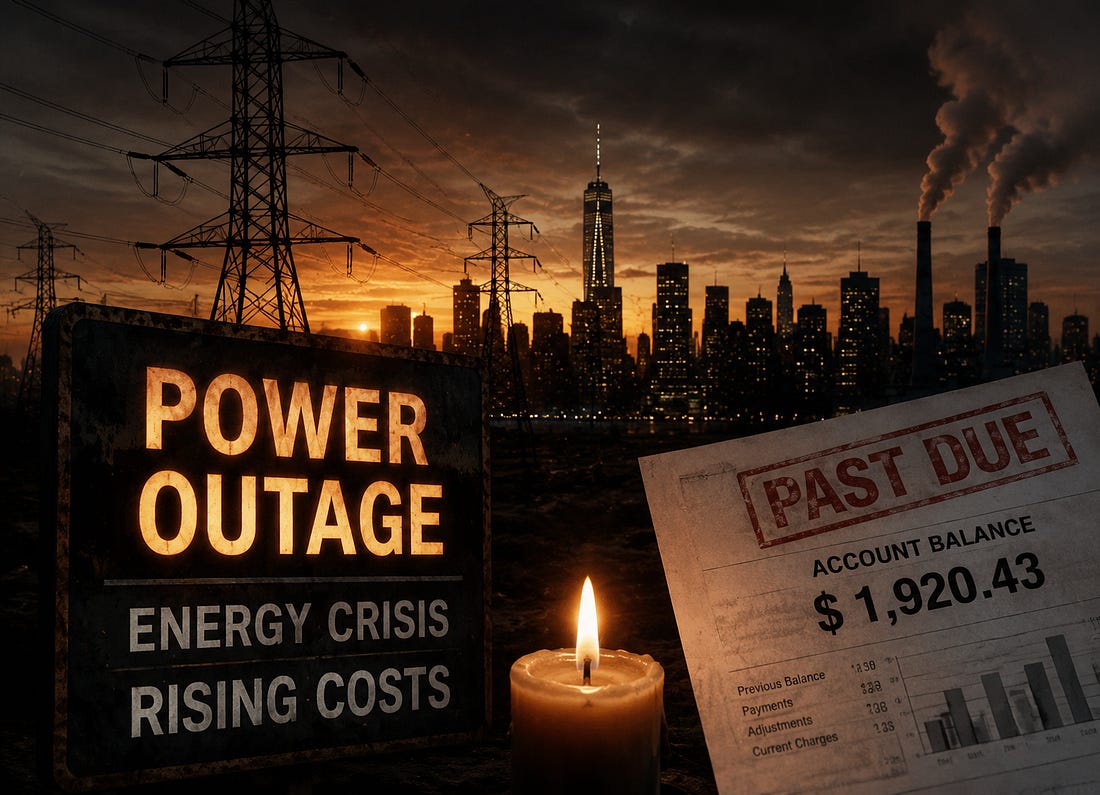
“It is no exaggeration to say that the greatest vulnerability in the modern global economy was our own refusal to plan beyond the next crisis.” Hard Truths at the Strait of HormuzThe ongoing conflict in the Middle East has triggered what independent analysts and major institutions now describe as the largest energy disruption in modern history. The Strait of Hormuz, through which about one‑fifth of global oil and liquefied natural gas flows, has seen shipping near a standstill due to sustained hostilities and risk premiums priced into markets. That volume is the lifeblood of global energy supply, and its effective closure has sent shockwaves through economies worldwide. Brent crude prices surged sharply after the strait became a flashpoint, reflecting the reality that global markets now price in geopolitical risk as much as physical supply deficits. Even with some recent moderation, oil remains elevated compared to pre‑conflict levels, and forecasts suggest prices are likely to remain high for the foreseeable future. Market Fragility ExposedThis is not simply a short‑term headline effect. Experts from the International Energy Agency have called this the greatest global energy security challenge in history, noting that the disruption of roughly 20 percent of global energy shipments has fundamentally strained markets. The early months of the crisis saw nations scrambling to fill supply gaps, strategic petroleum reserves tapped, and inventory drawdowns accelerating. Storage tanks are being depleted at unprecedented rates, inventories that once cushioned shocks now serve as the last buffer before deeper economic pain sets in. The Blame Game Starts Close to HomeTo understand how the world ended up in this precarious position, it is vital to examine the chain of policy decisions and global leadership failures that preceded it: 1. Overreliance on a Single Supply Corridor 2. Neglected Energy Transition 3. Geopolitical Escalation Without Mitigation 4. Insufficient Strategic Storage and Contingency Planning Real World ConsequencesThe effects of this policy failure are not confined to financial markets. Nations dependent on Gulf energy face hard choices: rationing, inflationary costs, or painful fiscal adjustments. Emerging market economies are especially vulnerable, where oil price shocks translate into balance‑of‑payments stress, currency volatility and social hardship. Industrial sectors tied to energy inputs, like manufacturing and agriculture, are experiencing tightening supply chains and higher costs. Jet fuel and refined product exports have fallen sharply, compounding pressures on global transport and trade. Even in wealthy economies, rising household energy bills and persistent inflation risk forcing central banks into difficult policy trade‑offs between growth and price stability. Ordinary families and small businesses are feeling the pinch that stemmed directly from strategic miscalculations at the highest levels of government. A Path ForwardThis crisis should be seen as an urgent call to reset global energy strategy. Governments must pivot from vulnerability toward resilience by: • Accelerating deployment of renewable energy and storage technologies The energy shock of 2026 is a stark reminder that systems designed around fossil fuel scarcity and geopolitical stress will always be vulnerable to disruption. It is no exaggeration to say that the greatest vulnerability in the modern global economy was our own refusal to plan beyond the next crisis. The costs of delay are being paid now, and they will only grow unless governments act with urgency and vision. Sources
Before you go, tap the ❤️ and re-stack this post so we can put it in front of as many readers as possible. I know some may not want to commit to a paid subscription, but if you’d like to support my work, you can always buy me a coffee on Ko-fi. Your contribution helps sustain independent writing rooted in consciousness, compassion, and social renewal. Every bit of support truly makes a difference. You're currently a free subscriber to Essay X². For the full experience, upgrade your subscription.
© 2026 Michael Corthell
|