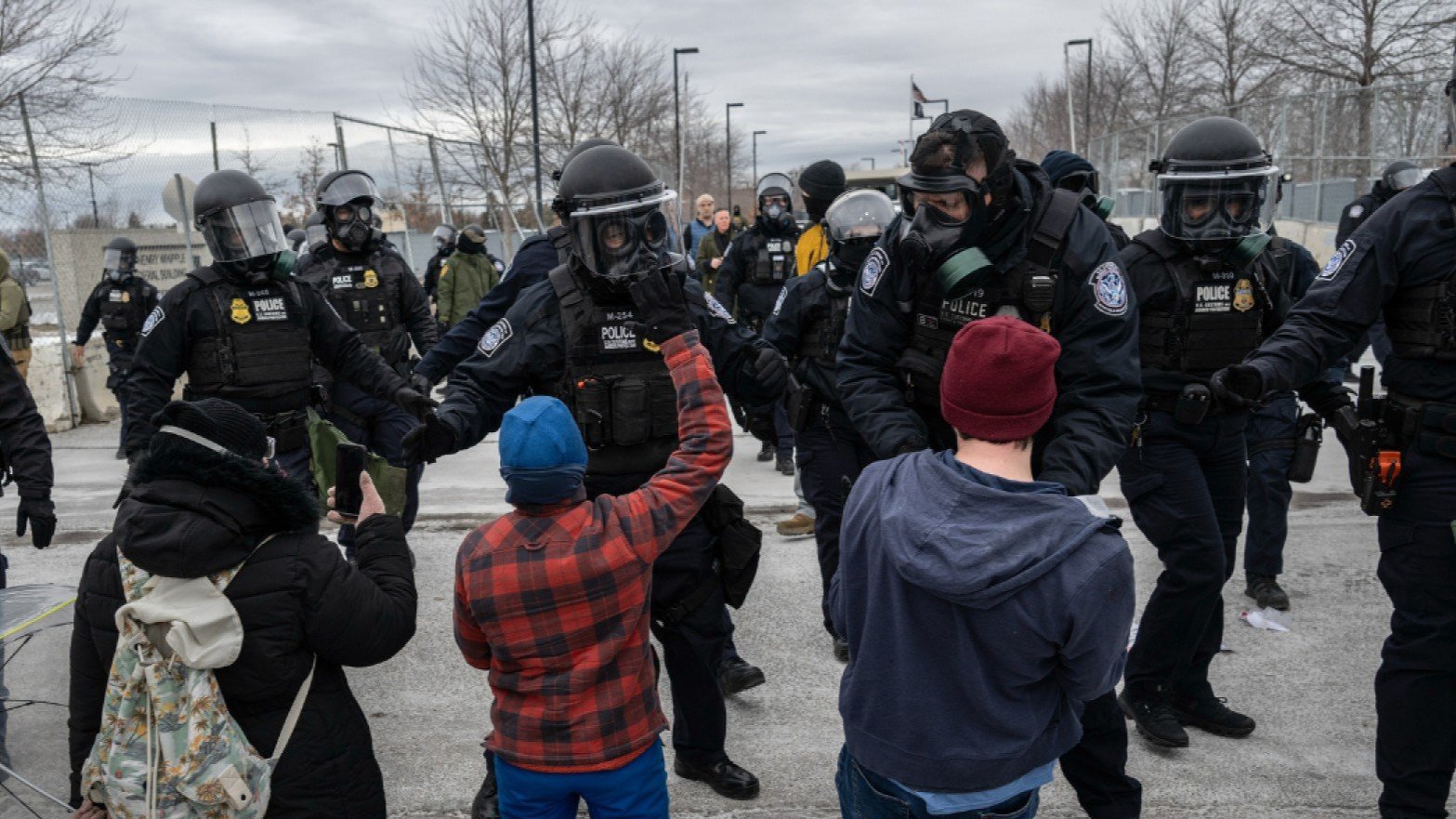
Peaceably assemble: The First Amendment guarantees freedom of association — the right to work collectively to try to influence government policies, among other interests. But the Trump administration is undermining that right in the case of Renee Good, labeling the 37-year-old wife and mother a "violent rioter" and "domestic terrorist" after an Immigration and Customs Enforcement officer shot and killed her, argues Jarvis DeBerry. Trump has called Good and her wife "professional agitators" and implied that protesters were being paid, while officials are reportedly looking into their ties to activist groups. These statements and actions should be seen as an attempt to chill Americans' right to organize. Read more. |
Fear itself: In both domestic and foreign politics, Iran's leaders have long relied on the fear that they might retaliate dramatically, so they can stay in power. But the growing protests — and the reaction to them from abroad — show that power may be waning, argues Michael Singh, managing director of the Washington Institute for Near East Policy. At home, the protests have shown that the younger generation is not afraid of reprisal. Abroad, the U.S. and Israel have shown that they will not continue to tolerate the Iranian government's threats to regional stability. Either factor — or both — could create a downward spiral that winds up ending the regime. Read more. |
License to pollute: The EPA is supposed to protect Americans from pollution and industrial waste. But a newly reported plan to stop tallying the health benefits of curbing ozone and air particulates is just the latest sign that it's more attuned to corporate needs, argues Hayes Brown. While past administrations have differed on how to calculate the value of a life lost to pollution when weighing the costs and benefits of a regulation, none has ever simply not calculated it at all. That would pave the way for repealing rules that limit pollution from coal-burning power plants, oil refineries and steel mills, hurting Americans' health in the process. Read more. |
'Reverse discrimination': In a recent interview, Trump said that the Civil Rights Movement was "unfair" to white Americans and amounted to "reverse discrimination." Philip Bump argues that this belief is foundational to the president's politics, implicit in everything from his "Make America Great Again" slogan to the conspiracy theories about former President Barack Obama's birthplace that he shares. Polls show that Trump's supporters agree strongly, with voters who think white people are "losing" in modern society four times as likely to back him. Read more. |
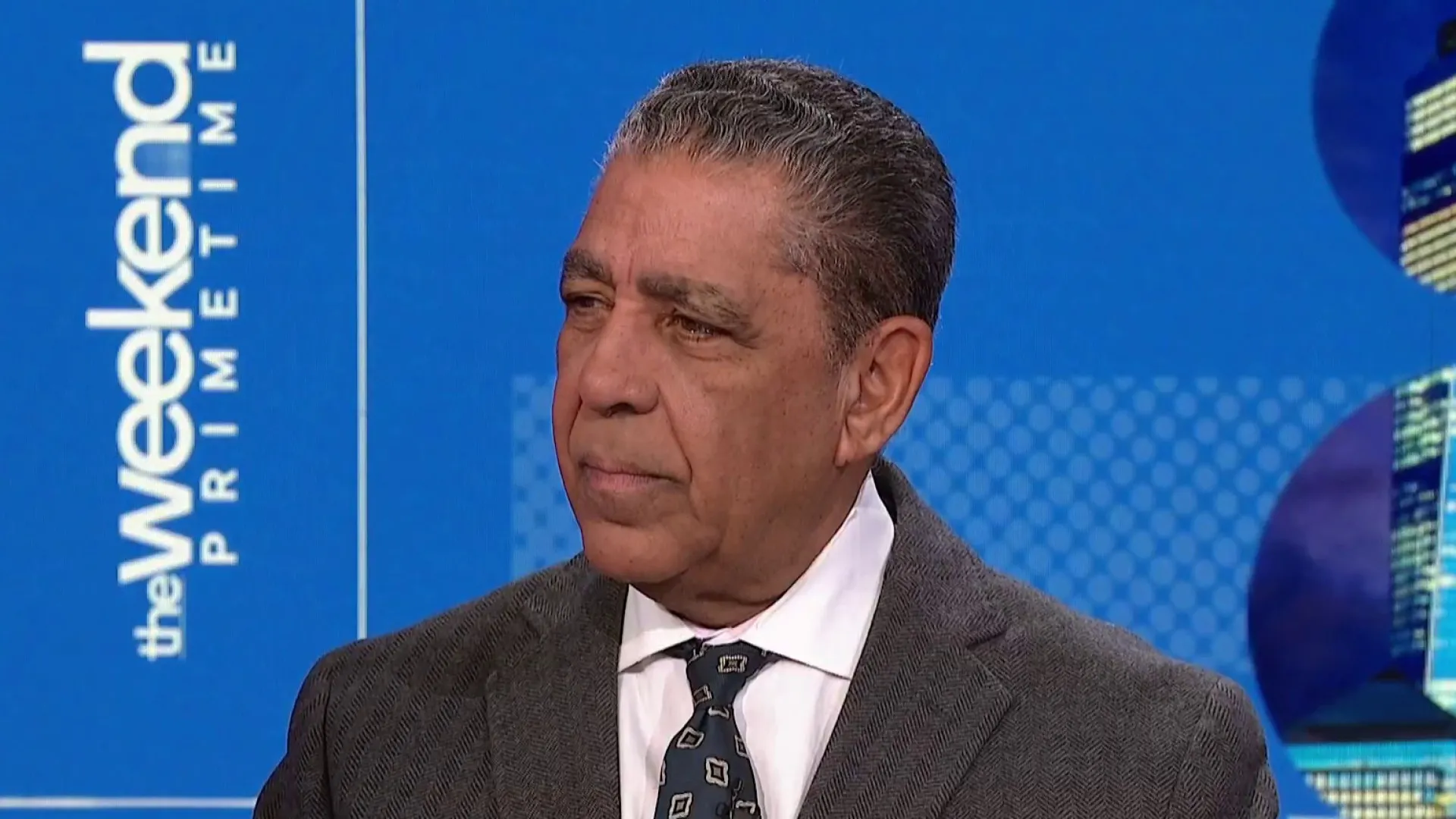
Strike two: Chief Justice John Roberts famously said the Supreme Court's role is to call balls and strikes. But the court he leads has instead tried to systematically rewrite the rulebook, allowing discrimination to flourish in election laws, argues Kareem Crayton, vice president of the Brennan Center for Justice. After allowing partisan gerrymandering and striking down part of the Voting Rights Act, the justices are now poised to decide whether to let Section 2 of that law stand — one of the last remaining weapons to address discrimination in voting laws. A decision to strike it down "could unleash chaos at every level of government" in multiple states, Crayton argues. Read more. |
|
|
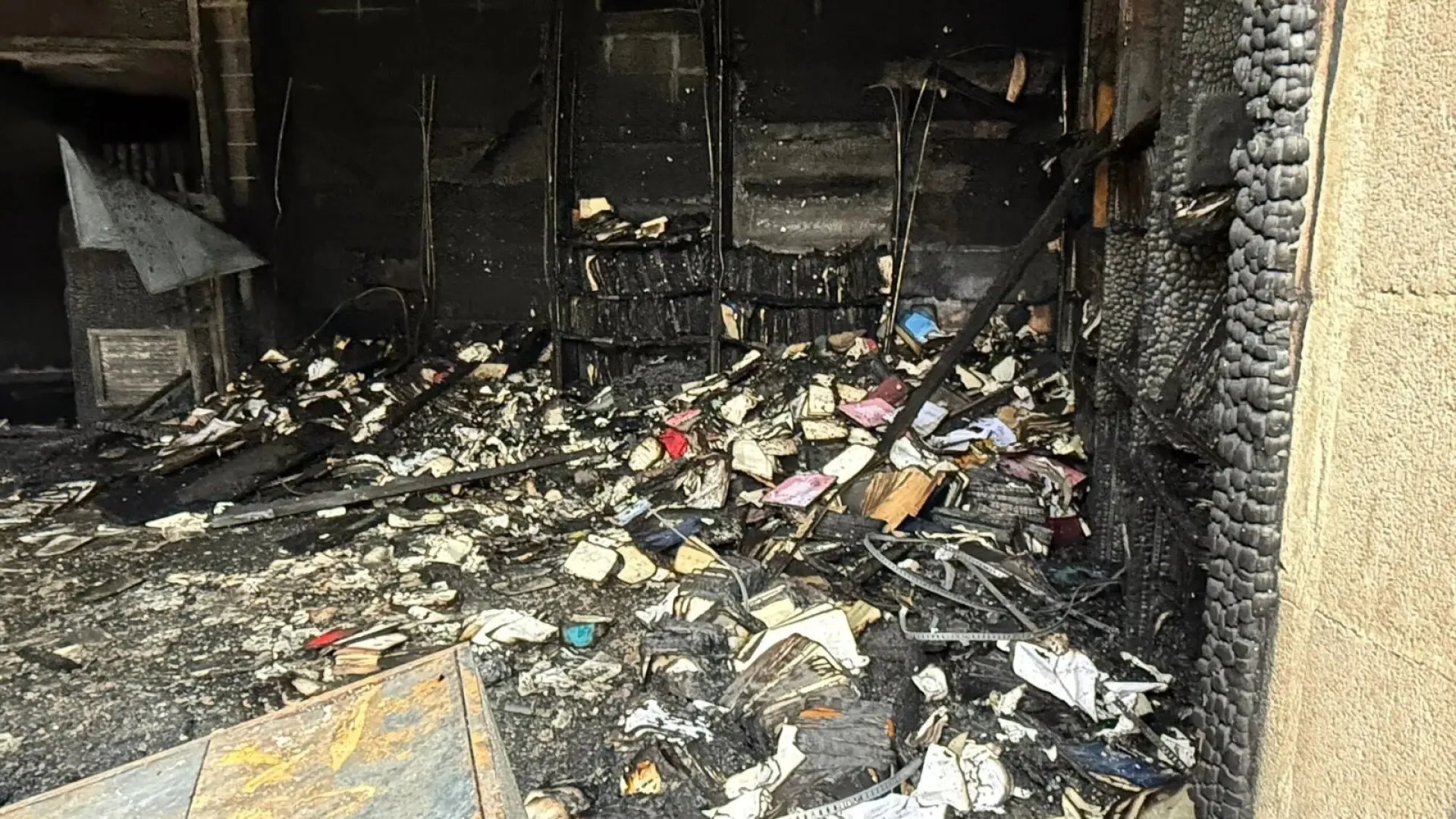
When an arsonist attacked Beth Israel — a center of worship for Jackson, Mississippi's Jewish community — the images were reminiscent of a bombing by the Ku Klux Klan at the same synagogue in 1967, argues Stuart Rockoff, executive director of the Mississippi Humanities Council. But another photo shows a different story. That picture is of one of the congregation's surviving Torah scrolls, unspooled on long tables at Northminster Baptist Church to air out the smoke damage. The two houses of worship have had ties since the 1960s, when the fledgling church met at the synagogue after breaking away from a larger Baptist congregation that refused to integrate. In fact, Mississippi's Jewish community has a long history of working closely with the state's Christian community. As the community recovers from the arson, that continued support and unity will linger. Read the column here. — Ryan Teague Beckwith, newsletter editor |
|
|
Today, tune in for a special conversation between Nicolle Wallace and American historian Heather Cox Richardson from her podcast, "The Best People with Nicolle Wallace." They discuss a political era that adheres more to autocratic leaders like Vladimir Putin than it ever has before, and the need for "We The People" to harness our inherent power. Watch today at 4 p.m. Eastern on MS NOW. |
|
|
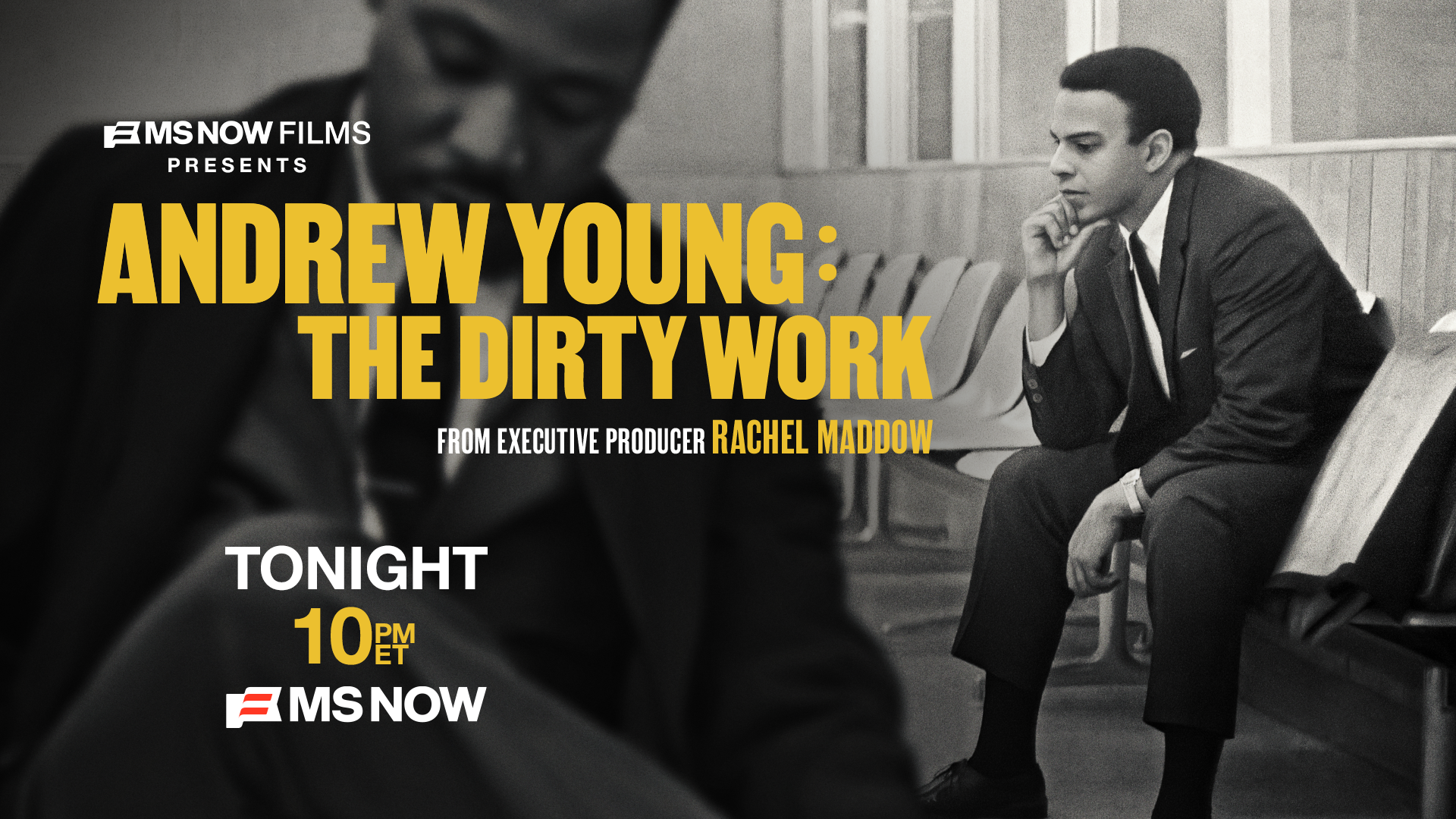
Tonight, MS NOW Films presents an encore presentation of "Andrew Young: The Dirty Work." Executive produced by Rachel Maddow, the documentary retraces Andrew Young's story — in his own words — as a trusted friend to Dr. Martin Luther King, Jr., behind-the-scenes architect of the Civil Rights Movement, and living legend who carried Dr. King's dream forward into Congress, the White House and beyond. Watch tonight beginning at 10 p.m. Eastern on MS NOW. |
229 West 43rd St.
New York, NY 10036 |
|
|
|