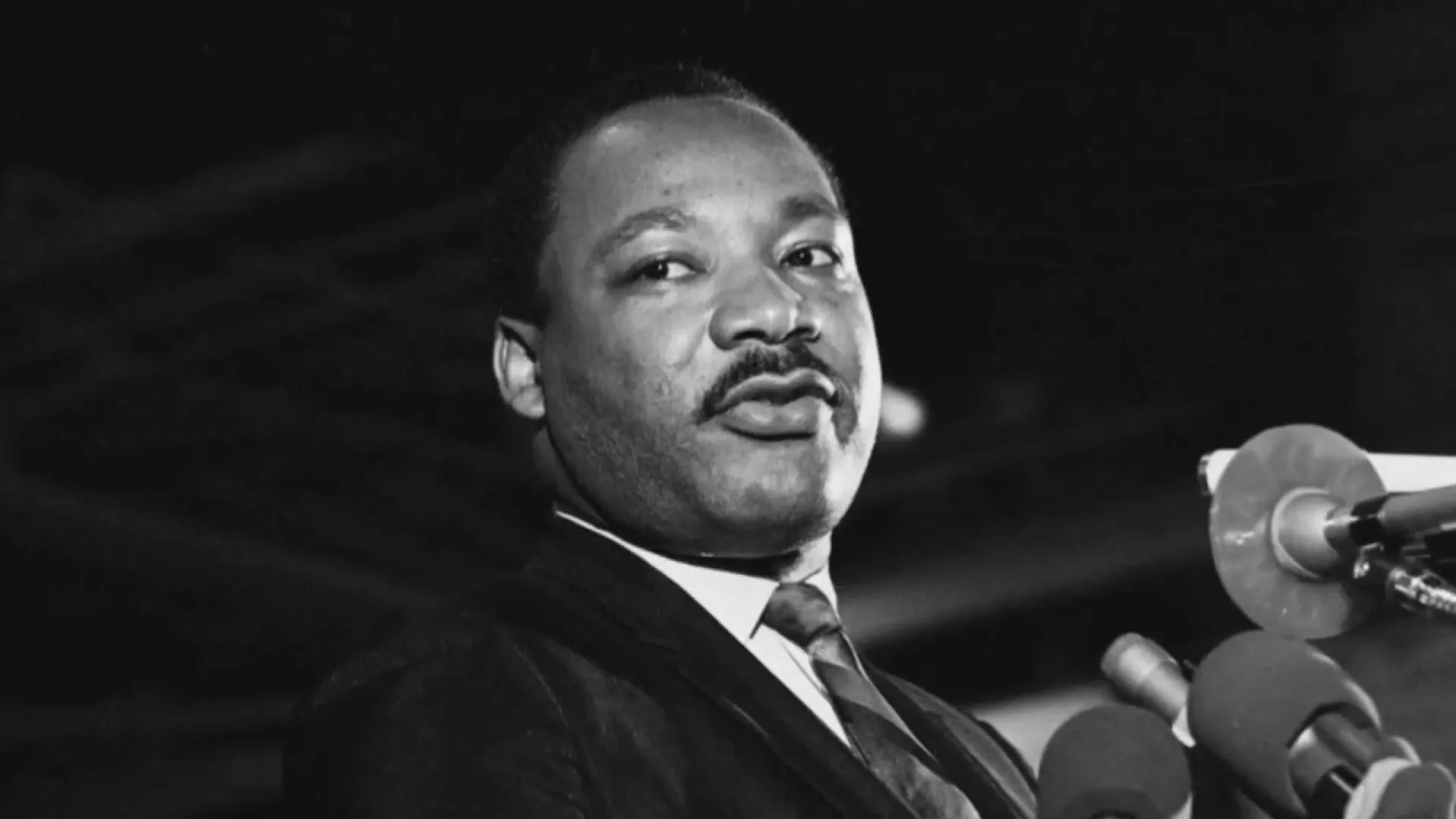
For decades now, American schoolchildren have been taught about Dr. Martin Luther King's belief in equality and tolerance. But the simplified version of the reverend's message too often overshadows his demands for economic justice and his stance against the Vietnam War. His argument that money spent on war is money that's not being spent on domestic programs that would benefit Americans is especially important to remember during President Donald Trump's increasingly imperialist actions and threats.
King enjoys a near deified status among Americans. A 2023 poll from the Pew Research Center found that 81% of Americans hold a net positive view of his impact on our country, and a 2011 survey from Gallup found that 94% of people surveyed had a favorable view of King more broadly.
But those surveys measured support for the memory of King, and a likely sanitized memory, at that. It's doubtful that many of those respondents knew more about King's positions than those found in the most quoted section of the "I Have a Dream" speech, which he gave during 1963's March on Washington.
It was that year that King began to speak out against the swiftly escalating war in Vietnam. Wary at first of criticizing President Lyndon B. Johnson — who'd signed the 1964 Civil Rights Bill and the 1965 Voting Rights Act — King initially tempered his anti-war stance in public, but then he became increasingly more vocal about the war's immorality. And the more he made his case against, the more his popularity dwindled.
This is a preview of Hayes Brown's latest column. Read the full column here.