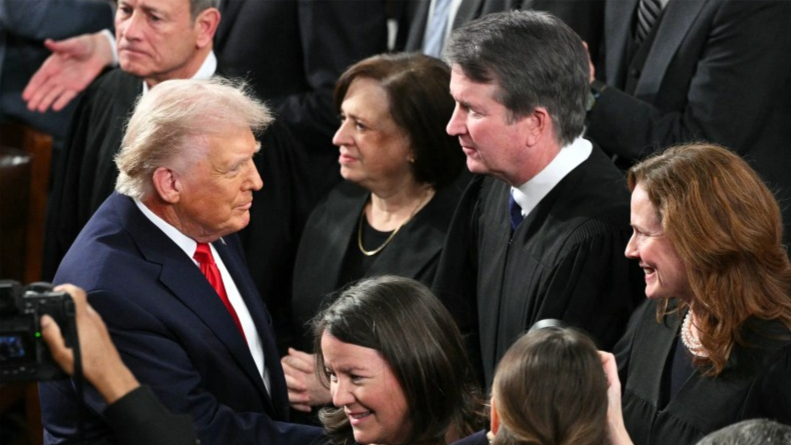
Welcome back, Deadline: Legal newsletter readers. The new Supreme Court term starts Monday. We’re coming off a huge term that featured historic decisions on birthright citizenship, voting rights, tariffs, presidential firing power and more. Despite losing on citizenship and tariffs, and despite being blocked from immediately firing Federal Reserve board member Lisa Cook, the Trump administration is pressing backup plans on those fronts that could eventually return them to the high court.
The justices were off the bench for the summer, but they decided several important emergency matters, including ones related to the November midterm elections. Although they backed Donald Trump’s White House ballroom construction — over a notable dissent led by Chief Justice John Roberts — the justices blocked the president’s mail ballot restrictions as well as Missouri’s bid to use a congressional map that could’ve gained Republicans another House seat next month.
Trump lashed out on social media following those losses, calling his three high court picks who ruled against him “merely a shell of their original selves.” In a line that Democrats likely agree with but for different reasons, he said the court’s “inability and unwillingness to do the right thing for our Country will go down, in a very negative way, in the annals of History.”
The dramatic complaint follows a term that was an overall win for Trump and the GOP. And just this month, the court granted emergency relief ahead of the midterms for Republicans on campaign broadcast advertising rates and, for the administration, on using a citizenship verification database — the latter over dissent from the court’s Democratic appointees, who raised concerns about lawful voters being disenfranchised.
Emergency shadow docket rulings happen year-round and will continue even after the new term starts. The justices could be called on to quickly decide any urgent matters that arise in connection with the midterms, as well as enduring issues such as capital punishment.
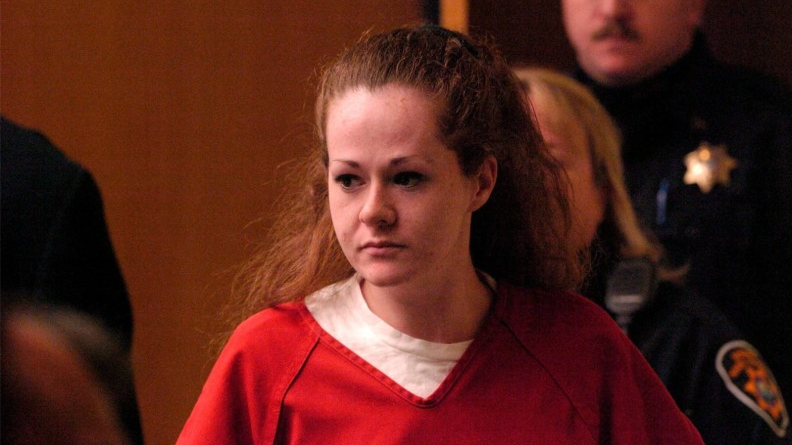
The death penalty was in focus this week after the GOP-appointed majority cleared the way for Christa Pike’s execution in Tennessee, over dissent that accused the majority of abusing its power. Despite the high court’s help, the state failed to carry out the death sentence that was imposed for the brutal 1995 murder of Colleen Slemmer. Pike survived what her lawyers called a “torturous” botched lethal injection, the state’s second failed attempt to execute an inmate this year. (As of this writing, the latest reporting is that Pike is unconscious on a ventilator at a Nashville hospital.)
The court’s regularly scheduled business for the term starts Monday morning. The first case set for argument is Suncor v. Boulder, in which oil and gas companies want the justices to block a lawsuit in Colorado state court that seeks to hold them liable for climate change damages. The companies say federal law bars the suit. They’ll make their case to an eight-member bench after Justice Samuel Alito’s surprising, last-minute recusal due to his financial interest in the energy sector.
Read the rest of my roundup here.
Have any questions or comments for me? I’d love to hear from you! Please submit them through this form for a chance to be featured in a future newsletter.