We're sending the Project 47 newsletter on Thursdays now! Instead, on Tuesdays, you can expect to receive a special edition of the Project 47 newsletter dedicated to covering the biggest issues shaping key races in the midterms. If you do not want to receive special editions on Tuesdays, click here to automatically opt out. |
|
|
|
Sudeep Reddy: There's Always a Tweet, or a Speech
|
| |
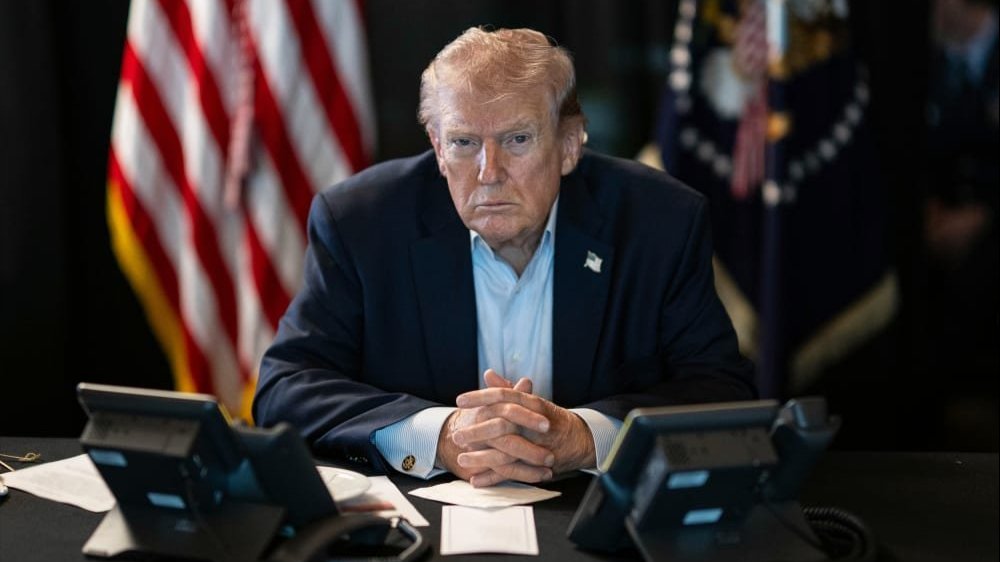
In late 2001, as the nation reeled from the 9/11 terrorist attacks, more than 80% of Americans supported U.S. military action in Afghanistan. In early 2003, just after President George W. Bush sent forces storming into Iraq to oust Saddam Hussein, more than 70% of Americans backed the U.S. military invasion. This week, after President Donald Trump attacked Iran, one of the first polls showed public support for his war sitting at just 27 percent. That is a level on par with disapproval of the Vietnam War as it ended in 1973 — after 58,000 American troops had died over an eight-year period. Trump, who has made mocking American military misadventures a regular feature of his stump speeches since he first ran in 2016, is now facing the unusual challenge of selling Americans on a war after he started it. The president's shifting justifications, explanations and timelines in recent days show he's developing the narrative as he goes along. And his own statements in the past decade highlight the risks — for international security, the economy and his party's own standing. Read Sudeep Reddy's analysis here. |
|
|
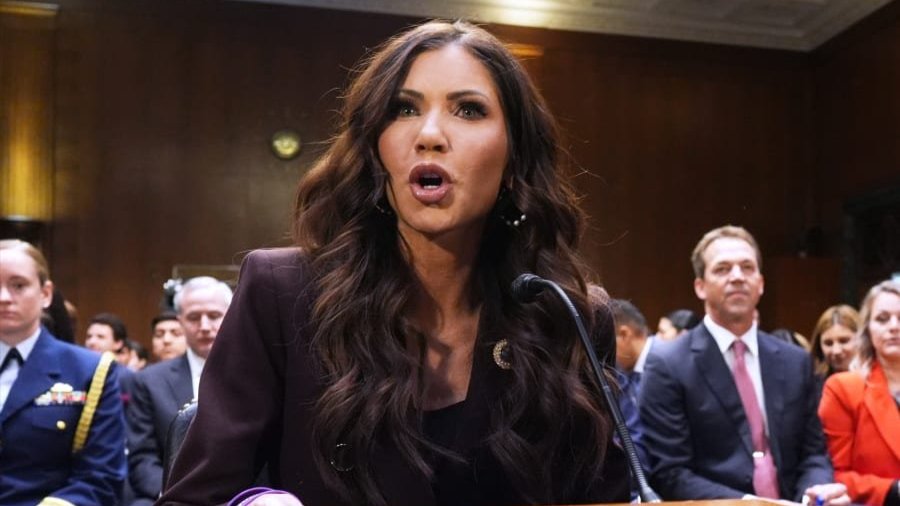
Do you think Kristi Noem should be impeached? |
| |
Here are some highlights of the president's actions over the past seven days: |
- Described the attack on Iran as a "war," even as the White House distributed talking points to Republicans to refer to it only as "major combat operations"
|
- Went on an extended riff about replacing the White House drapes during his first live public comments on the attack on Iran
|
- Gave a shout-out to Rep. Tony Gonzales, who is facing calls to resign even from some Republicans over an alleged extramarital affair with an aide
|
|
|
The news can feel overwhelming. But each week, we pause to highlight a person, organization or movement sticking up for their principles or their fellow Americans. This week's challenger is Republican Sen. Thom Tillis. A determined senator can cause a lot of trouble, especially when they're part of a narrow majority. This week, the outgoing senator from North Carolina threatened to use that power. During a public hearing on Tuesday, he called on Homeland Security Secretary Kristi Noem to resign over her handling of the immigration operation in Minneapolis. Then he threatened to block Trump nominations in the Senate and hold up legislation in committees by denying quorum — essentially refusing to show up to a meeting that requires a certain number of lawmakers — until Noem responds to questions he's asked about immigration operations in Charlotte, North Carolina. Making those threats even more credible is the fact that Tillis is not seeking re-election this fall, which means the Trump administration and other Senate Republicans don't have the usual ways of pushing back. Read more. |
|
|
What a difference a week makes. During his State of the Union address, Trump touted low gas prices. A week later, they're up more 22 cents, to an average of $3.25 a gallon and rising. Presidents get blamed when prices rise at the pump, though that anger is often misplaced. This time, it's not. Gas prices were creeping up in recent weeks, but they jumped after the president announced military action against Iran. So, it's not wrong to say that the president owns these higher prices. While he dismisses the whole idea of affordability, it certainly appears Trump understands that pain at the pump is not good for consumers (a.k.a. voters), especially in an election year. That may be why he's considering sending Navy warships to escort oil tankers moving through the most important waterway in the global oil market next to Iran, the Strait of Hormuz. But how will this work? Details are TBD. His announcement briefly slowed the rise in oil prices, but they're started to go up again, and with them, gas prices. — Stephanie Ruhle, host of "The 11th Hour" |
|
|
This week on "The Best People," Nicolle Wallace speaks with professor Eddie Glaude, former New Orleans Mayor Mitch Landrieu, and The Atlantic's Tom Nichols to discuss how to make sense of this moment in history, and the erosion of the public good in Trump's America.. Subscribe to MS NOW Premium on Apple Podcasts for early access, ad-free listening, and bonus content. |
|
|
229 West 43rd St.
New York, NY 10036 |
|
|
|