Welcome, Deadline: Legal Newsletter readers. I'm filling in for Jordan Rubin, who is off today.
This week, a federal judge appointed by President Donald Trump correctly blocked a Texas law designed to punish companies for factoring environmental, social and governance concerns into their investment decisions. Yes, you read that correctly. And no, it isn't constitutional.
Back in 2021, Texas attempted to prohibit state agencies from investing in or contracting with firms it accused of boycotting fossil fuel companies. To be clear, this is an example of the government punishing private companies for engaging in investment decisions motivated by disfavored viewpoints.
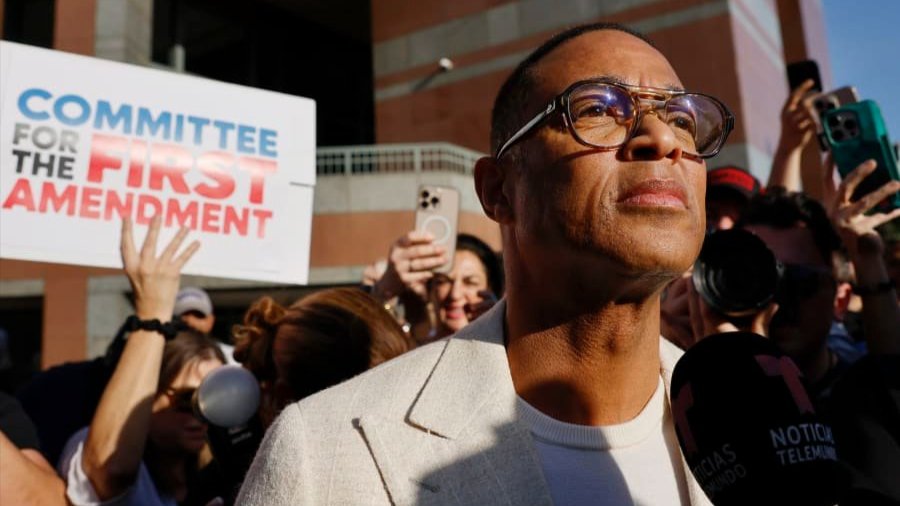
Texas' law is antithetical to the First Amendment, which bars the government from picking who does and doesn't get to speak. The First Amendment can protect corporations from being punished by the government when their investment decisions are expressive. Why? Because economic decisions may be protected as expressive conduct covered by the First Amendment.
Conditioning access to state investment funds on confirming with a certain ideology, Texas crossed a clear constitutional line. Governments can't strong-arm private actors, including corporations, into ideological conformity by slapping the word "economic" on what is expressive conduct. Dressing up viewpoint discrimination as financial regulation doesn't make the Constitution disappear.
Note for a moment, the irony. If, as some conservative lawmakers have argued, government regulation of corporate decision-making is an existential threat to our freedoms, then it must similarly be true that corporations must be free to make choices motivated by liberal or conservative values.
The whole point of the First Amendment is to prohibit the government from punishing viewpoints that clash with its political agenda. This protects both conservative and liberal corporations and people.
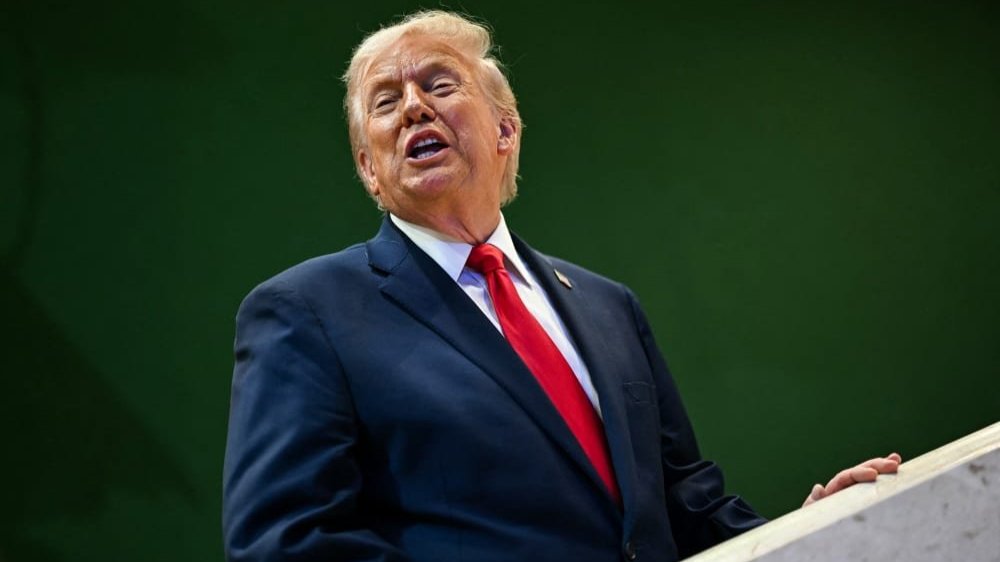
In other constitutional news, the president has recently called for the federal government to take over American elections, an idea that strikes at the heart of our constitution and risks unraveling democratic norms. Trump has urged Republicans to take control of election processes in key jurisdictions, suggesting federal control over state-run election systems.
Under our Constitution, states play the largest role in administering elections. Congress also has a role, if not a starring one, to play. The president has a cameo at best. Article I, Section 4 assigns to the states the authority to determine "the Times, Places and Manner" of federal elections, with Congress empowered only to "make or alter such Regulations." The president has zero unilateral power to take control of election administration. If the president attempts to do so, it would exceed his Constitutionally-conferred executive power.
Beyond the constitutional issues, federalizing elections poses democratic dangers. Simply put, the dispersal of the power to run elections protects us from bad actors. Decentralization helps protect electoral integrity. Centralized control of elections would concentrate power, likely under a politician with their fortunes tied to the winners and losers of elections.
In a republic built on the idea that concentrated power is something to be feared, preserving state authority over elections is a guardrail against bad actors.
Have any questions or comments for Jordan Rubin? We'd love to hear from you! Please submit them through this form for a chance to be featured in a future newsletter.