Sunday, February 22, 2026 |
|
|
Good morning, Welcome to MS NOW's Sunday Spotlight, where you can find a selection of the week's most interesting and important stories. The Supreme Court issued a significant but structurally narrow decision to strike down Trump's so-called "reciprocal tariffs." Meanwhile, the president conspicuously didn't invite two politicians to a White House event, a top Democrat embraces a conservative tactic, and the Trump administration is testing a novel legal approach against protesters. Plus, the British royal family's latest mess. Don't forget to check out more top columns and videos from the week below. |
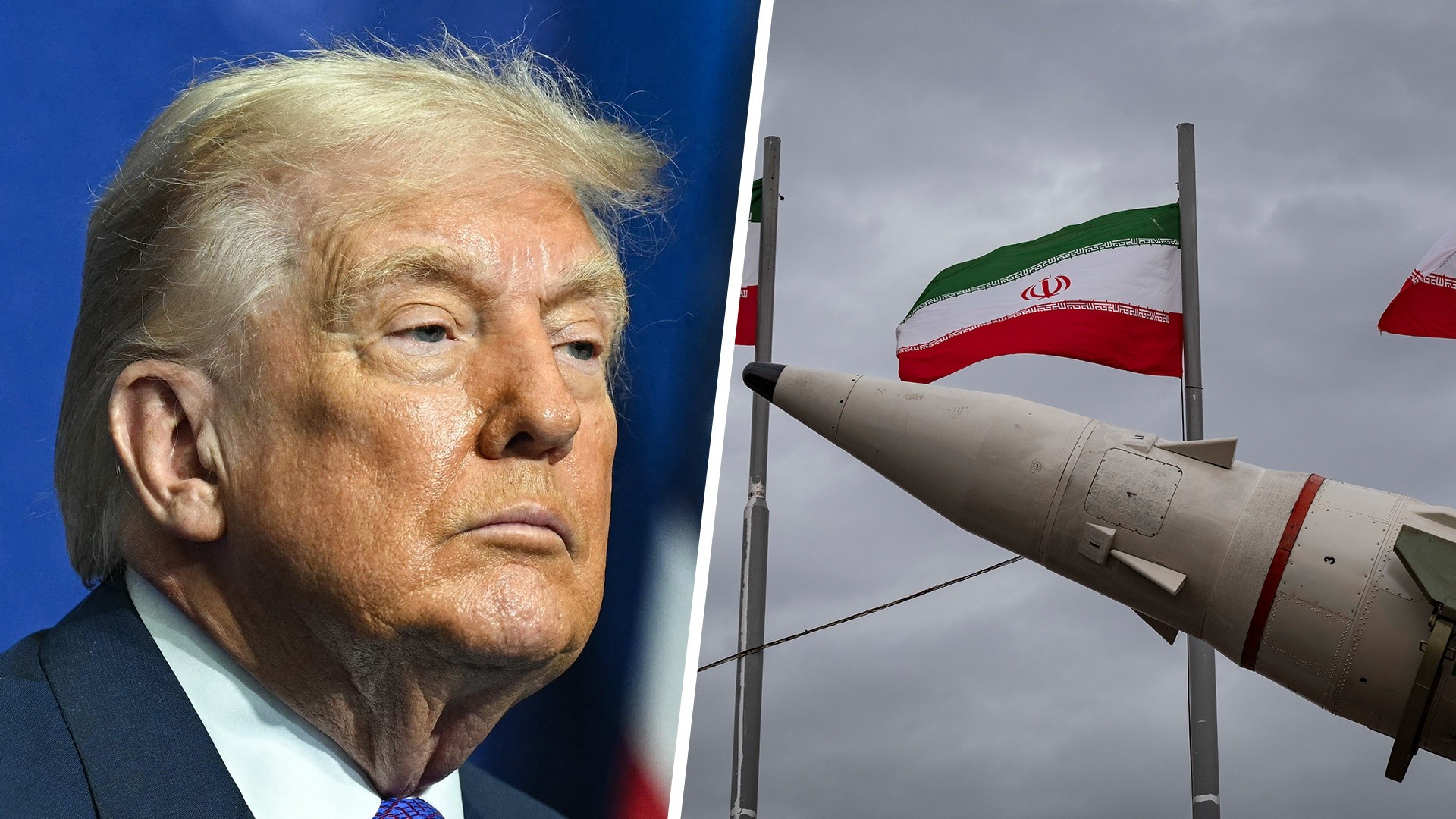
Tariff roadmap: The Supreme Court's 6-3 decision invalidating Trump's sweeping "reciprocal tariffs" is, on one level, a classic separation-of-powers ruling. But as much as the ruling angered Trump, the decision is perhaps merely Act II in the long play called "Trump's tariff project," argues Loyola law professor Jessica Levinson. The court did not say Trump or any other president can never impose tariffs. It said a president cannot impose tariffs via the International Emergency Economic Powers Act. And despite his finding that Trump could use the IEEP, Justice Brett Kavanaugh's dissent reads like a roadmap for how a president can achieve much of what Trump wants. Read more. |
No Moore Polis: The National Governors Association annual meeting is usually not that contentious, as both Democrats and Republicans sit down with one another to hash out policies and meet the president. But Trump's refusal to invite to the White House two of those governors — Maryland's Wes Moore and Colorado's Jared Polis — led their Democratic colleagues to boycott the meeting entirely, argues Morgan State University professor Jason Johnson. Trump's absurd justifications also raised questions about his true motivations, especially since Moore is the only Black governor and Polis is gay. Read more. |
Shutdown upside: Congress is now in the middle of its third shutdown of Trump's second term. But as lawmakers fight over funding for the Department of Homeland Security, Senate Minority Leader Chuck Schumer is embracing a tactic once favored by hard-line conservatives and attempting to use the shutdown to score a policy win, writes Kevin Frey. Once again, the New York Democrat is focusing the shutdown fight on a single policy issue that is popular with the public — putting restraints on what immigration agents can do — and pounding the other side over it. "This debate is killing Trump," he said Thursday. Read more. |
Protesters = terrorists? For the first time, federal prosecutors are seeking to convict a group of protesters — most of them American citizens — on charges related to domestic terrorism. The case involves a dozen activists who were protesting an Immigration and Customs Enforcement detention facility in Texas — a demonstration that led to a confrontation with police, writes Brandy Zadrozny. The defense says it was a protest gone wrong. But prosecutors, echoing Trump's rhetoric, say it was an "antifa attack" on the federal government. The case will test whether Trump's arguments about antifa can succeed in court. Read more. |
Royal mess: The arrest of Andrew Mountbatten-Windsor, formerly known as Prince Andrew, is the highest-profile fallout so far from the release of the Epstein files. But it's worth noting that the arrest on suspicion of misconduct in public office is not about his ties to the convicted sex trafficker, but whether he shared sensitive information with Jeffrey Epstein during his stint as a trade envoy for the British government, argues Autumn Brewington. Though King Charles III stripped his brother Andrew of his royal title and stated that "the law must take its course," he could have done both years ago. Read more. |
|
|
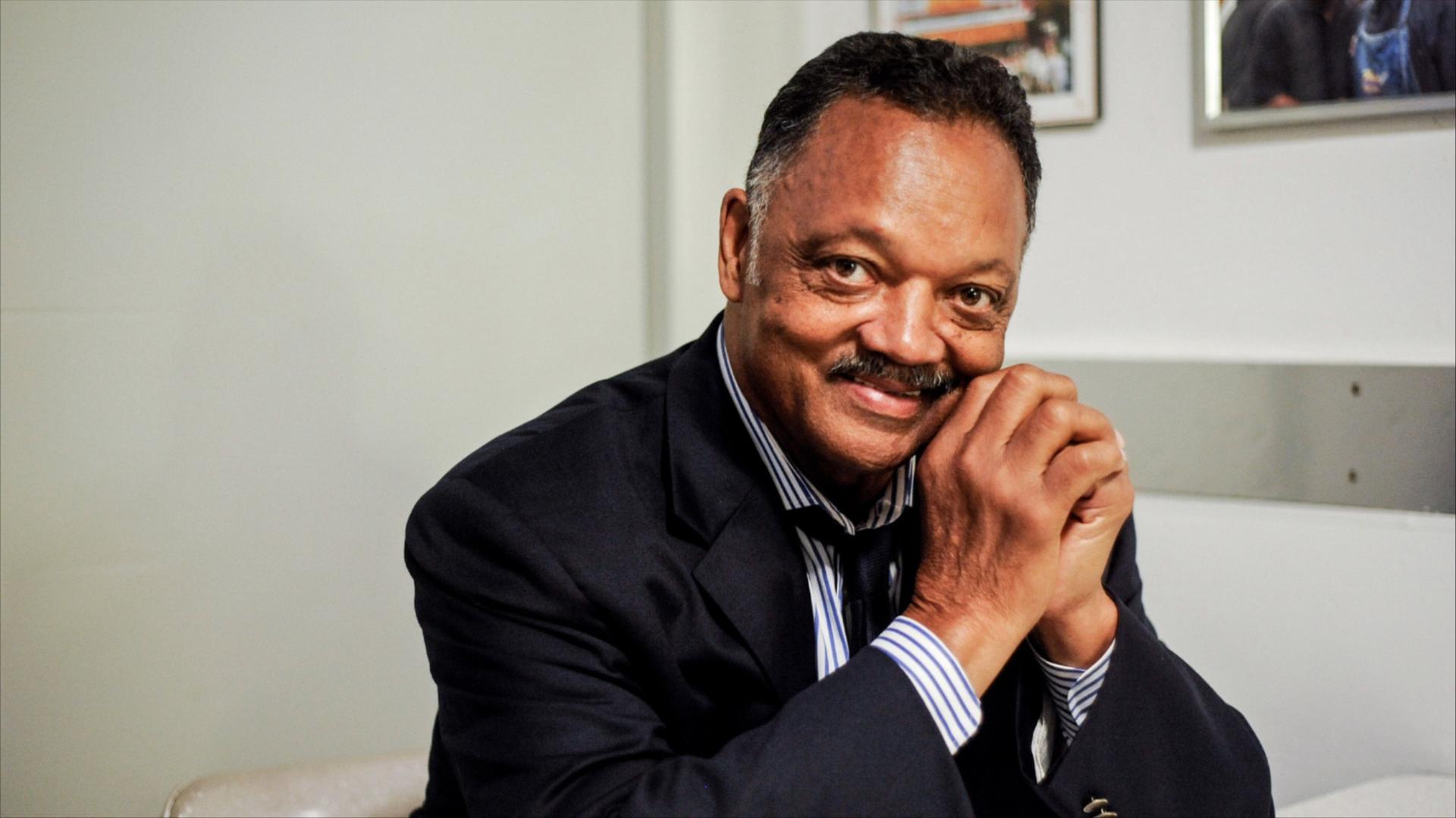
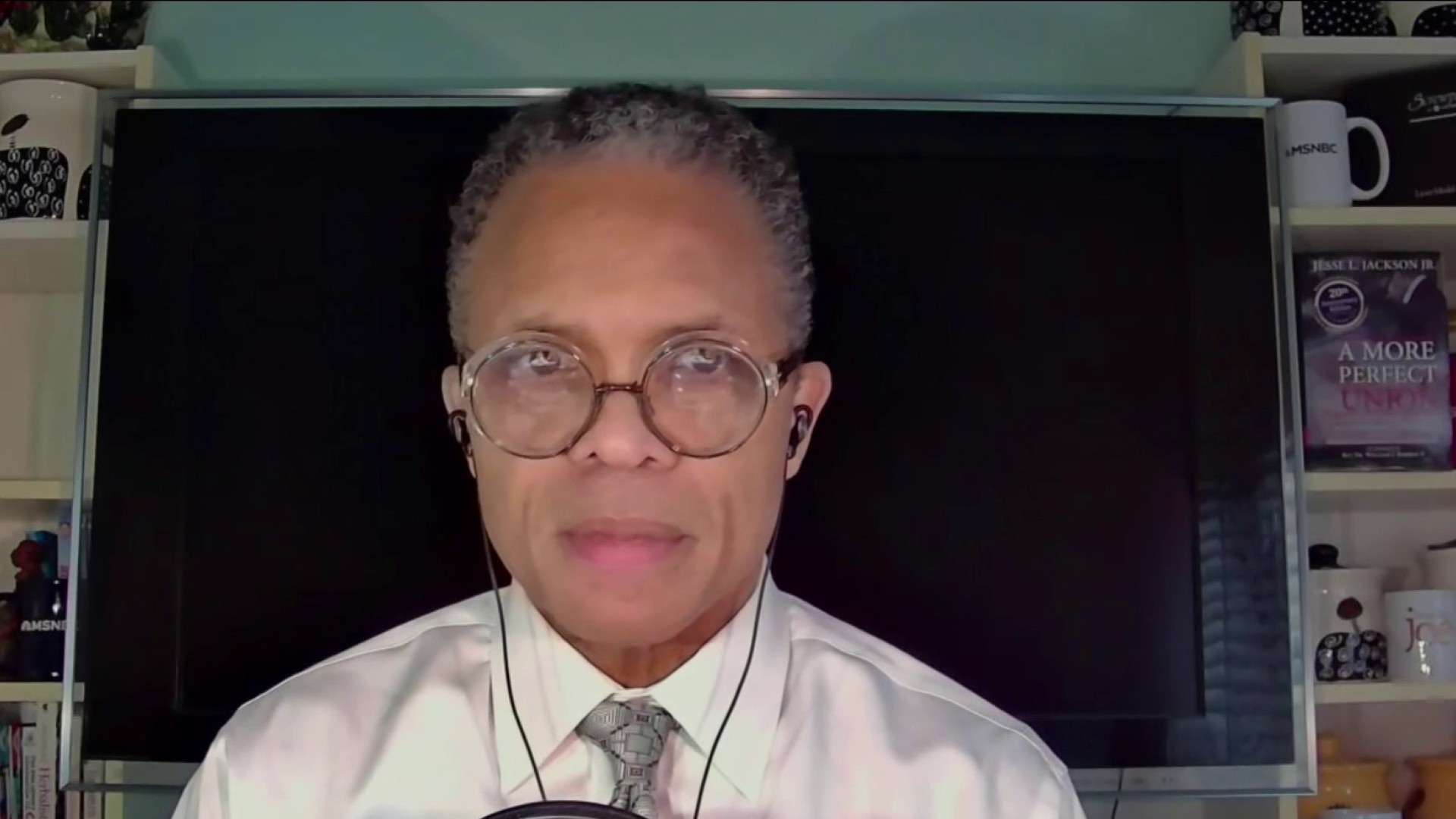
Jesse Jackson's second-place finish in the 1988 Democratic primary was still a win for showing the power of his national voter registration programs and for legitimizing the concerns of Black America as part of the party's core platform, argues civil rights attorney Charles F. Coleman Jr. The political machine created by Jackson, who died Tuesday at age 84, helped pave the way for the election of Black mayors in Philadelphia, New York and Baltimore and arguably created the space for Barack Obama's debut at the Democratic convention in 2004. His influence can be seen in other ways, too. His fight against the 1994 crime bill was prescient, and his rhetorical and personal style showed how African Americans could unapologetically own civic space. Read the column here. — Ryan Teague Beckwith, newsletter editor |
|
|
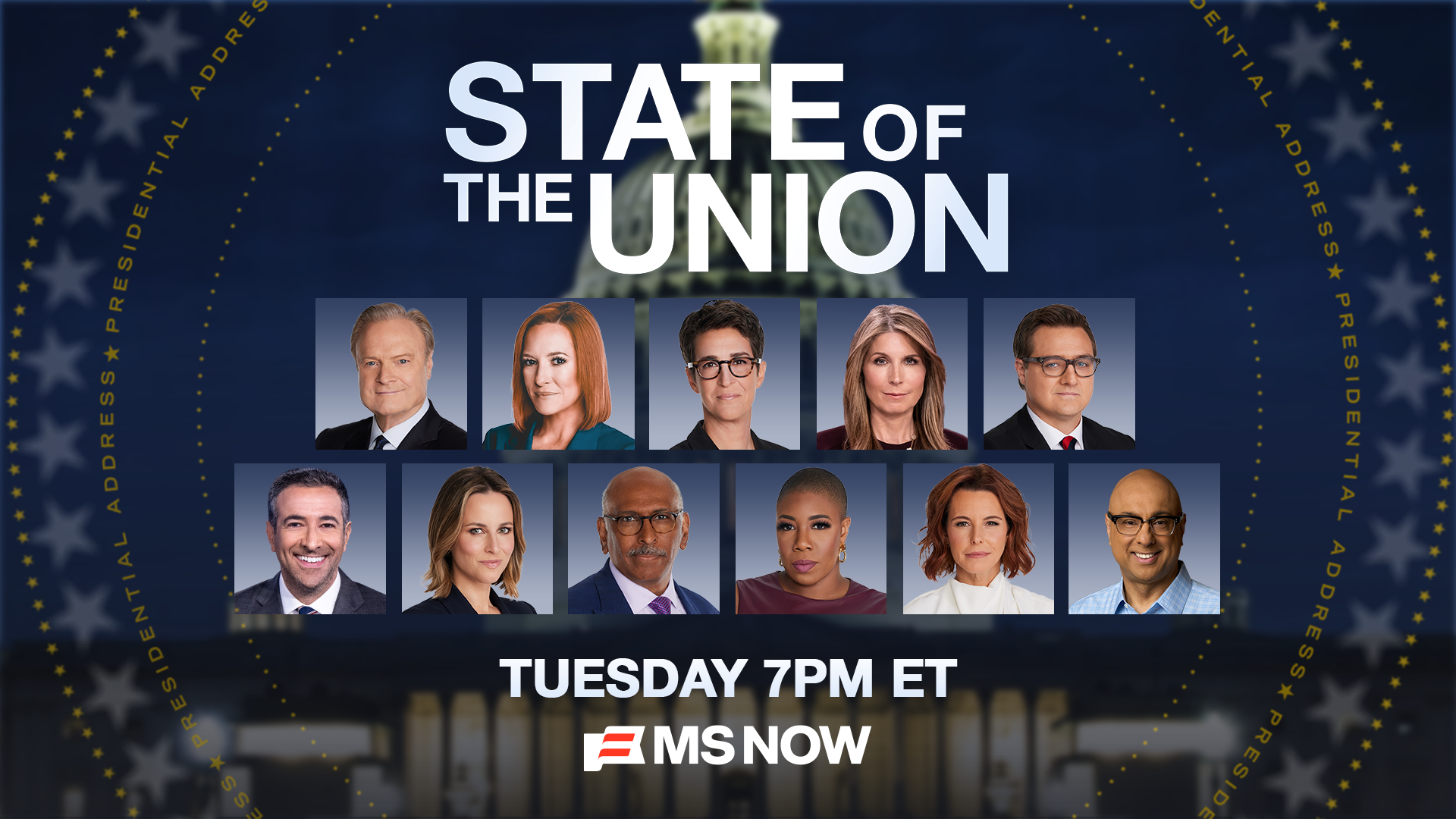
Tuesday, Rachel Maddow leads coverage of President Trump's State of the Union address and the Democratic response, and breaks down what it all means for the country. Special coverage begins Tuesday at 7 p.m. Eastern on MS NOW. | |
|
Saturday, catch the premiere of "Crooked on MS NOW," a new special weekly series that highlights the smartest, funniest, and most talked-about moments of the week from Crooked Media's chart-topping podcasts. Watch "Crooked on MS NOW" premiering Saturday at 9 p.m. Eastern. |
229 West 43rd St.
New York, NY 10036 |
|
|
|