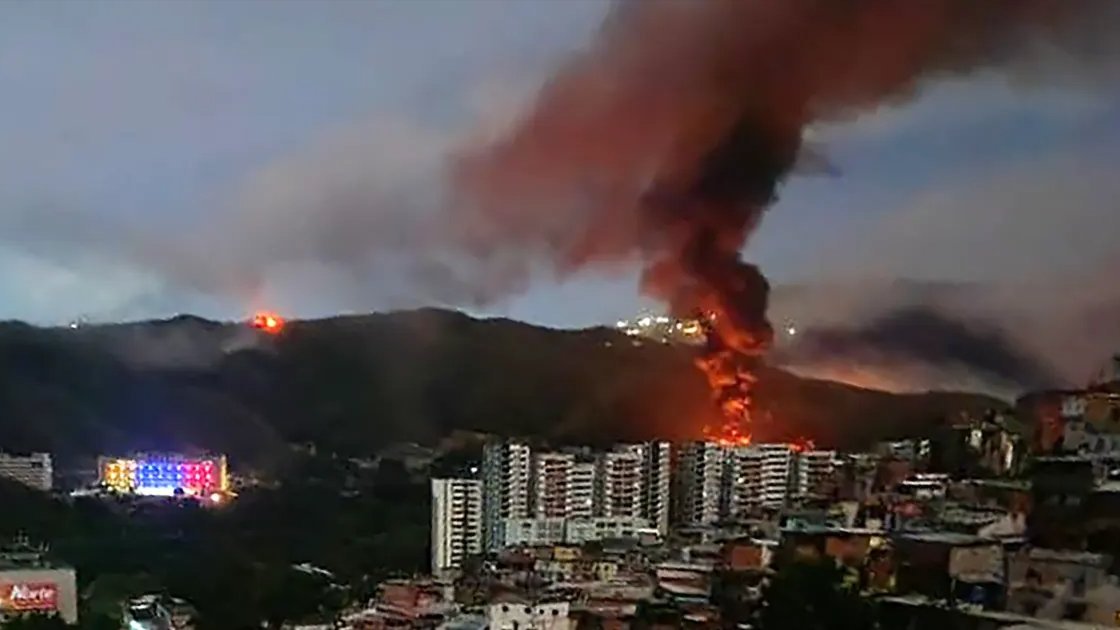
The Trump administration's months-long campaign against Venezuela culminated Saturday in a series of strikes in Caracas and the capture of President Nicolás Maduro — an extraordinary escalation that makes the administration's refusal to publicly explain its legal justification for military involvement even more urgent.
President Donald Trump announced the operation in a 4:21 a.m. Truth Social post, revealing that U.S. forces had seized Maduro and flown him out of the country to face criminal charges in the United States. The action, which Trump did not seek congressional authorization for, represents the most aggressive use of military force against a foreign head of state in a generation.
For months, Trump has escalated military strikes targeting boats emanating from Venezuela, and warned of potential ground operations in the country — a threat that became more pressing following a drone strike on a dockyard that, unlike the boat strikes, took place on Venezuelan land.
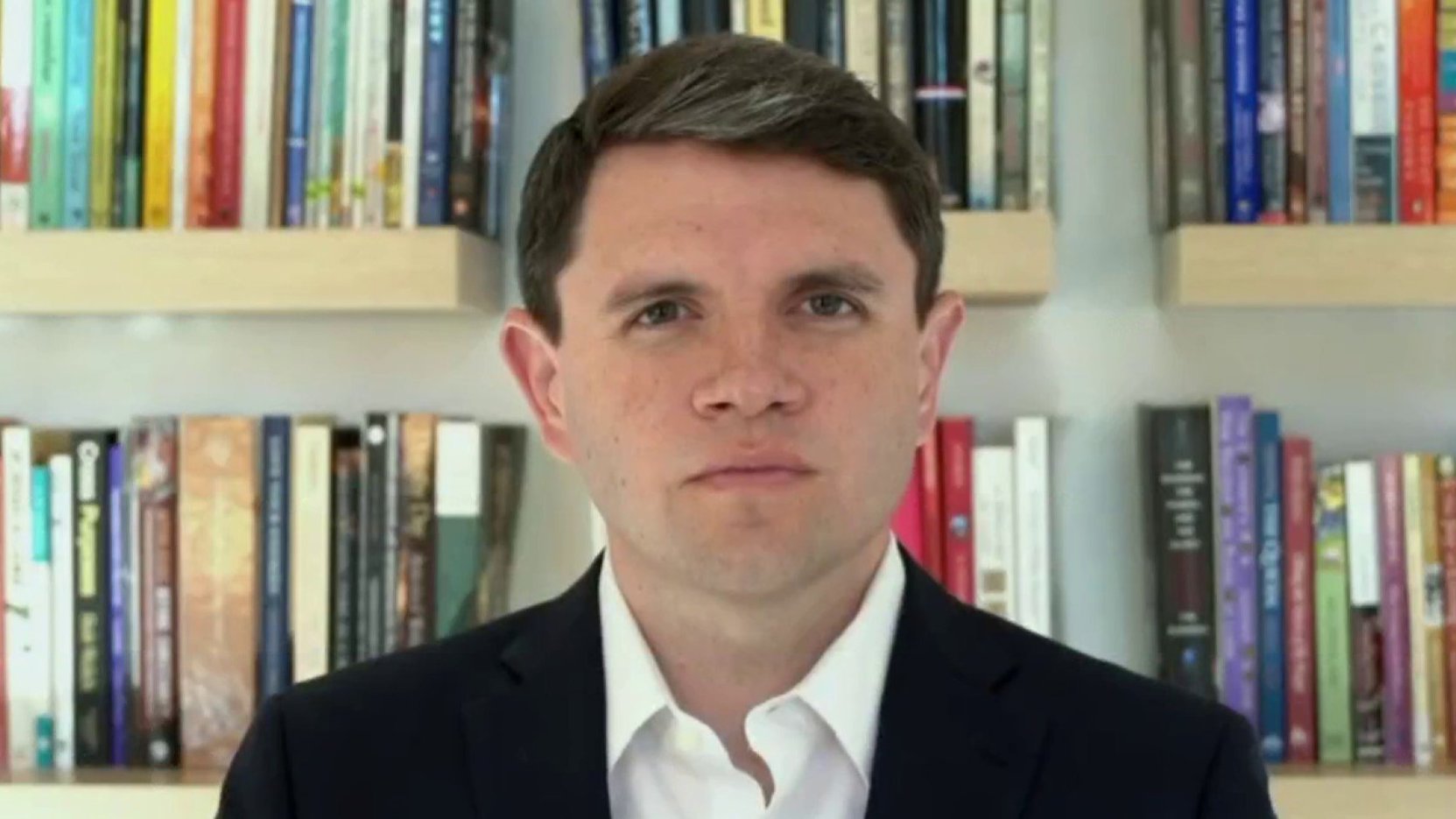
"The legal basis for the strike inside Venezuela is very murky, including because covert action is used when the U.S. government intends to keep its hand hidden, not boast about it publicly," said Matthew Waxman, a Columbia Law professor specializing in constitutional war powers.
Saturday's operation raised those concerns to a new level.
This is a preview of Julia Jester's latest article. Read the full article here.