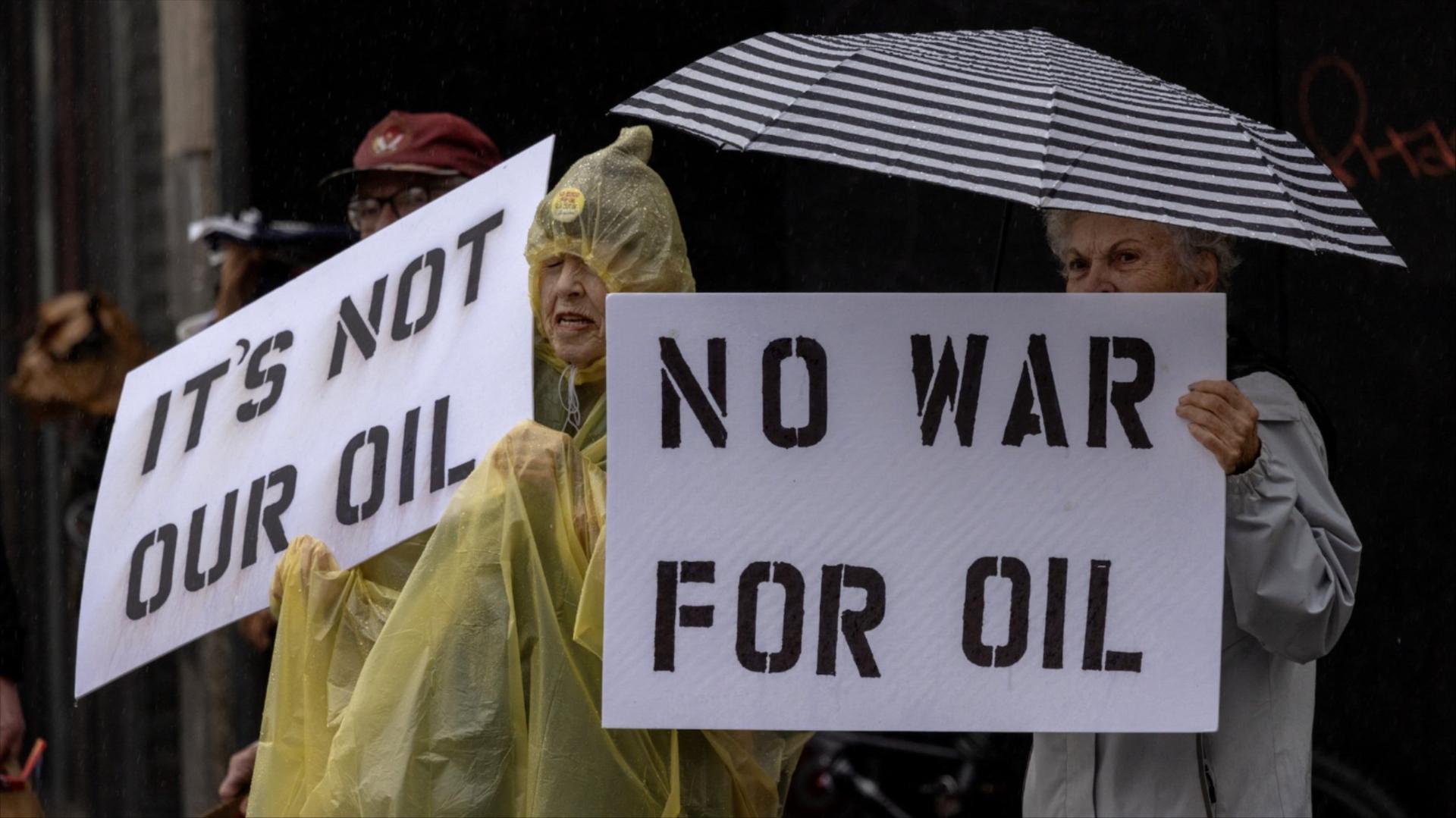
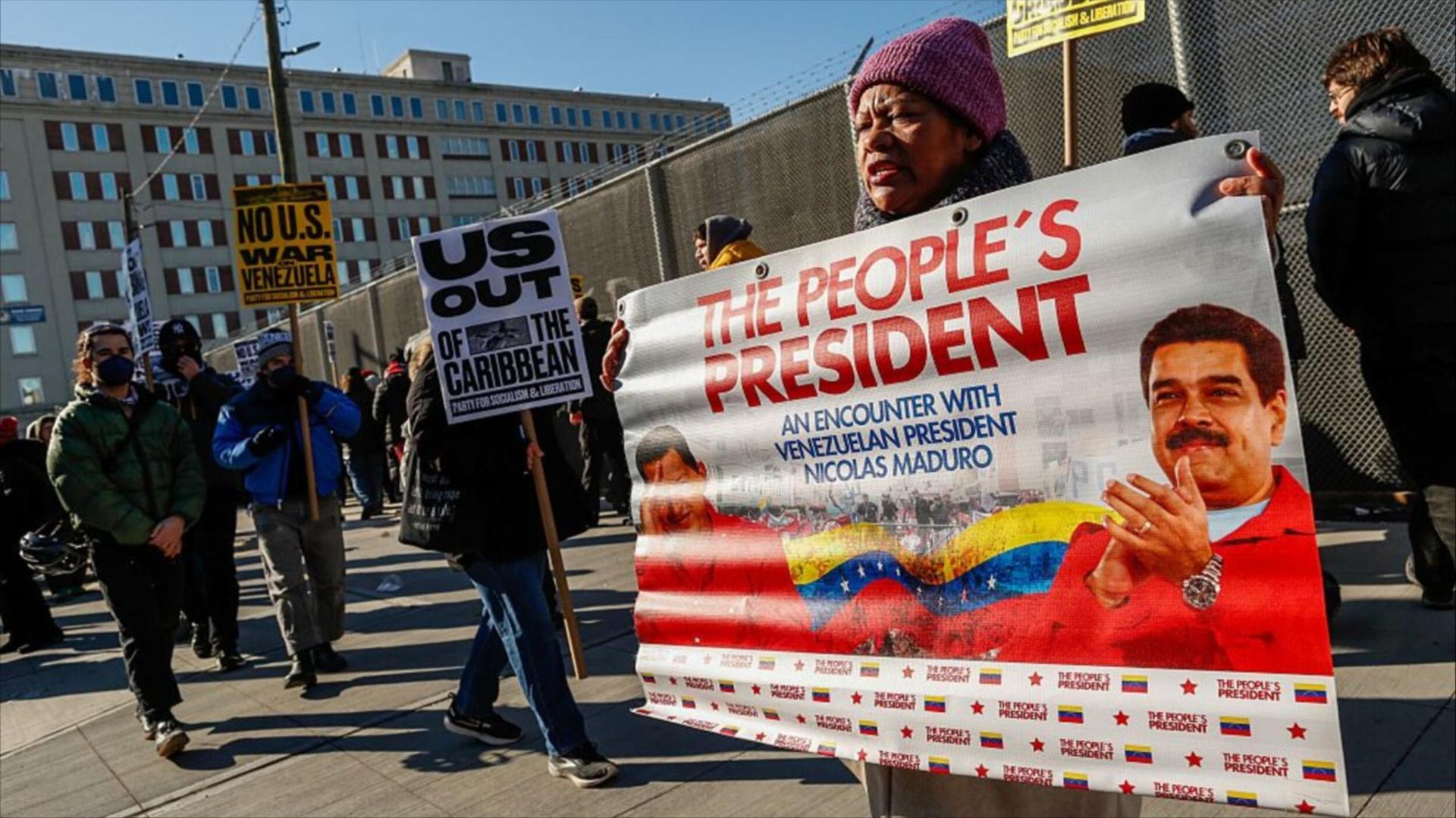
Twenty years ago, the U.S. strained to defend against accusations that the Iraq War was about oil. Today, President Donald Trump openly admits the U.S. is willing to carry out regime change in Venezuela to secure privileged access to the country's oil reserves.
Trump announced on Saturday that U.S. forces had captured Venezuelan President Nicolás Maduro in a brief military campaign to stand trial on drug-trafficking charges — an extraordinary moment in American foreign policy, both for the intervention itself and for Trump's framing of what comes next. The U.S., he said, will "run the country" until it can lock in a transition of power, and announced that "very large United States oil companies" will go in, "fix the badly broken infrastructure … and start making money for the country." Secretary of State Marco Rubio said Sunday this actually meant "running policy," a statement that did little to clarify the administration's next steps.
Indeed, what Trump is laying out as a straightforward mission is anything but that. The president described a situation that doesn't match reality on the ground, starting with the leftover Chavista regime vowing it "will not be anyone's colony."
Trump understated the time-consuming, costly effort it would take to rebuild Venezuela's decrepit oil sector. And already, he is making fresh threats that underscore the uncertainty of what's next.
This is a preview of Joseph Zeballos-Roig's latest column. Read the full column here.