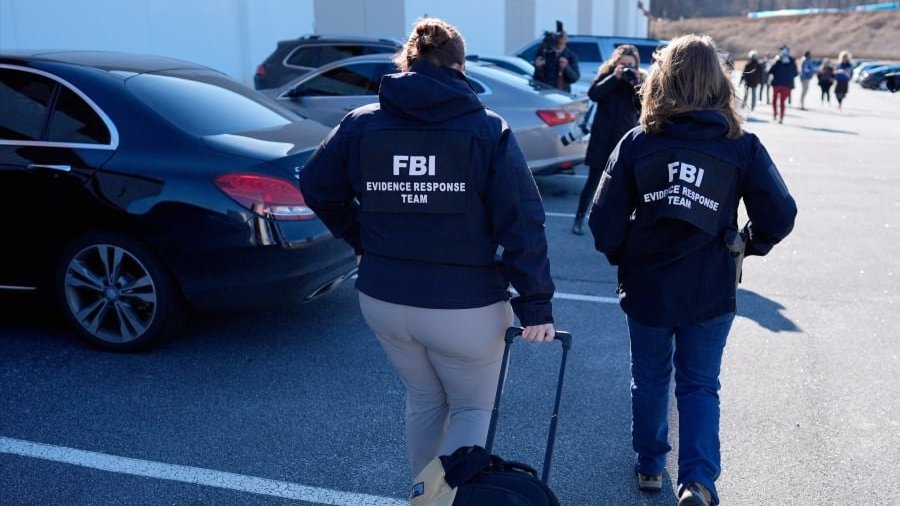
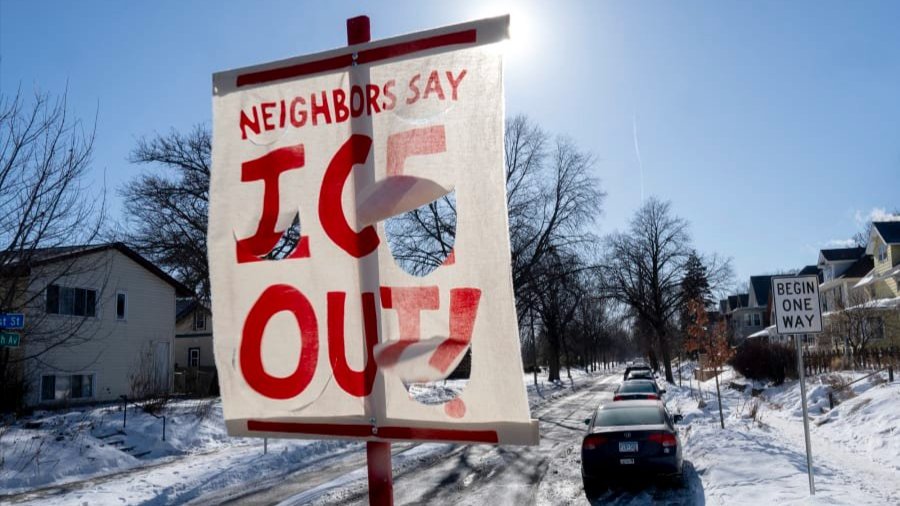
Welcome back, Deadline: Legal Newsletter readers. It was always about the elections. Donald Trump's federal agents just seized 2020 voting records from Georgia, one of the sites of his failed bid to subvert the contest he hasn't gotten over losing to Joe Biden. And he's still tilting at Minnesota over electoral losses there, stating falsely this month that he "won Minnesota three times." In fact, Trump never won that Democratic-led state, which, perhaps not coincidentally, has been one of the latest targets of federal occupation.
Nor did the Republican win California, which, like Minnesota, he called "crooked" in those same remarks. The Golden State is the focus of this week's newsletter, as the Supreme Court weighs the fate of its congressional map ahead of the November midterm elections.
The high court already approved Texas' Trump-backed move to make its map more Republican-friendly. When it did so last month, the court seemed to approvingly cite California's countereffort in the process. The court's unsigned order observed that the Lone Star State "adopted the first new map, then California responded with its own map for the stated purpose of counteracting what Texas had done." In a concurring opinion joined by Justices Clarence Thomas and Neil Gorsuch, Justice Samuel Alito wrote that "the impetus for the adoption of the Texas map (like the map subsequently adopted in California) was partisan advantage pure and simple."
So, how could the high court not approve the Democratic-friendly move out west? After all, a lower court panel this month quoted Alito's concurrence in rejecting the GOP's claim that California's map was an unlawful racial gerrymander. The panel found that the state's Proposition 50 "was exactly what it was billed as: a political gerrymander designed to flip five Republican-held seats to the Democrats. In other words, the 'impetus for the adoption' of the Proposition 50 Map was 'partisan advantage pure and simple.'"
But a dissenting judge appointed by Trump on that lower court panel offered another view. Judge Kenneth Lee argued that, unlike the challengers to the Texas map, the challengers to California's map "rebutted the presumption of good faith" owed to the state. And he said that, unlike in the Texas case, there are viable alternative maps available in California.
It's no surprise, then, that the California challengers cited Lee's dissent in the emergency appeal that's pending with the justices. They name-checked the Trump appointee more than a dozen times. They didn't appear to cite Alito at all.
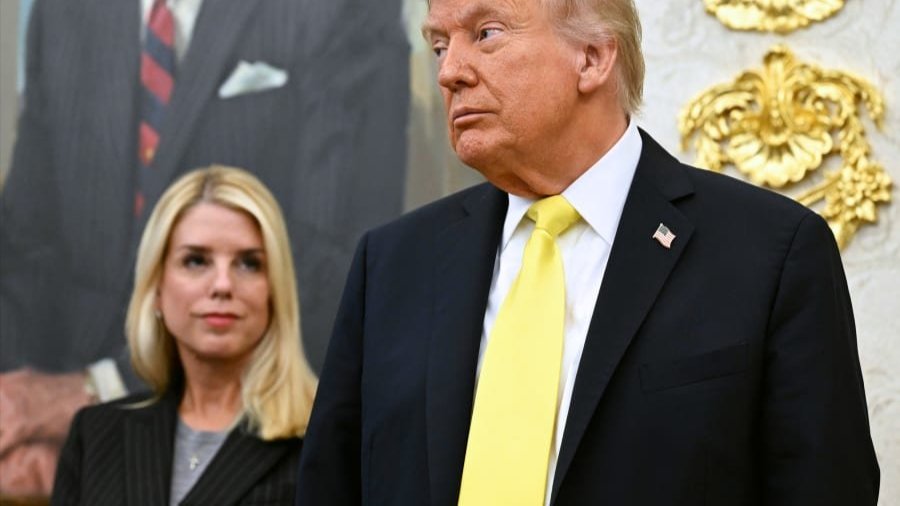
California sure did cite the GOP-appointed justice, right in the opening paragraph of its opposition brief. For good measure, it threw in that Attorney General Pam Bondi had called the state's move a "power grab" for "political gain."
Although Alito's and Bondi's statements might sound like insults, under Supreme Court precedent that permits partisan gerrymandering but outlaws racial gerrymandering, litigants want to convince the justices that they're solely out for the "political gain" that Bondi decried. Challengers to the Texas map failed to convince the high court that the effort there was tainted by improper racial considerations. Now, challengers to the California map hope to accomplish what the Texas challengers failed to do.
It seems like a tough task, given the Supreme Court's framing of California's map in the Texas case. Indeed, California's lawyers wrote that Republicans want the justices to "step into the political fray, granting one political party a sizeable advantage by enjoining California's partisan gerrymander after having allowed Texas's to take effect."
We could soon learn whether the high court will nevertheless step into that fray. The California challengers requested a ruling by Feb. 9, though the justices are on no schedule but their own.
Have any questions or comments for me? I'd love to hear from you! Please submit them through this form for a chance to be featured in a future newsletter.