Welcome back, Deadline: Legal Newsletter readers. The Supreme Court held hearings this week in disputes over copyright infringement, immigration, an anti-abortion group's bid to avoid investigation and an evangelical street preacher's civil lawsuit for the right to call concertgoers at a Mississippi amphitheater "whores," "Jezebels" and "sissies" over a loudspeaker.
But the court's biggest move this week came Thursday, when the GOP-appointed majority green-lit Texas' congressional map that a lower court panel, led by a Donald Trump-appointed judge, had deemed an illegal racial gerrymander. The state launched an emergency appeal to the justices, and the majority agreed to put the Republican-friendly map back in play for the 2026 midterms.
Unlike many other shadow docket rulings, the majority gave some explanation for this one. It boiled down to the majority's view that the lower court overreached. Chastising the ruling authored by Trump-appointed U.S. District Judge Jeffrey Brown, the high court majority said it "improperly inserted itself into an active primary campaign, causing much confusion and upsetting the delicate federal-state balance in elections."
Yet it was the majority that overreached, the Democratic appointees argued in dissent. Writing for the trio in the minority, Justice Elena Kagan said the majority's move "disrespects the work of a District Court that did everything one could ask to carry out its charge — that put aside every consideration except getting the issue before it right." She said it also "disserves the millions of Texans whom the District Court found were assigned to their new districts based on their race."
More Republican-friendly moves are afoot. Next week, the court will close out its two-week December hearing session with oral arguments in cases that could further broaden executive firing power, limit campaign finance rules and increase capital punishment. We could also hear at any time about whether the high court will approve the administration's bid to deploy troops in Chicago.
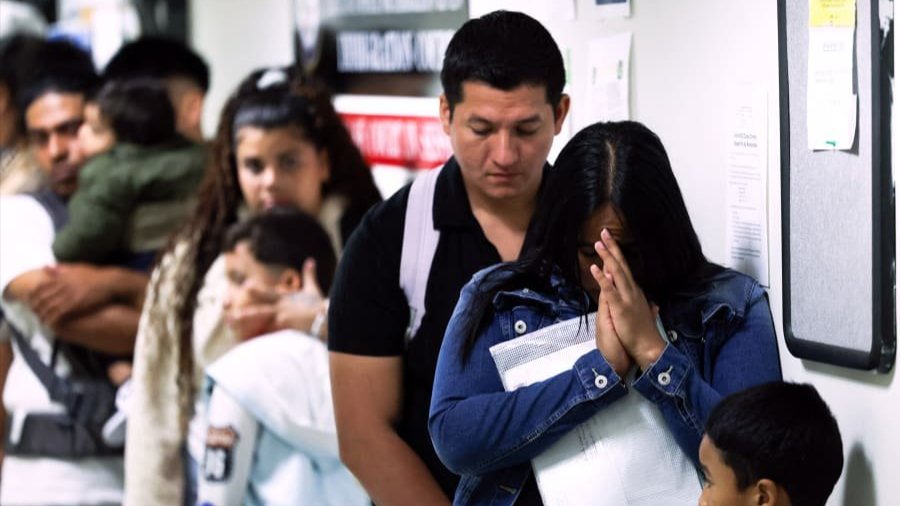
On top of all that, the justices added birthright citizenship to the docket. On Friday, they said they'd review the administration's appeal to thwart the long-held constitutional understanding of automatic citizenship for people born in the U.S., regardless of their parents' immigration status. While we can never know what the court will do until it rules, I explained here why there's some reason to doubt that this will be just another Trump win. Although, the way things are going, I understand why there's reason to be skeptical about that, too.
Have any questions or comments for me? I'd love to hear from you! Please submit them through this form for a chance to be featured in a future newsletter.