President Donald Trump has escalated his attacks on the legal system to include lawyers who've dared to represent the other side in his legal cases, undermining a fundamental principle of the rule of law.
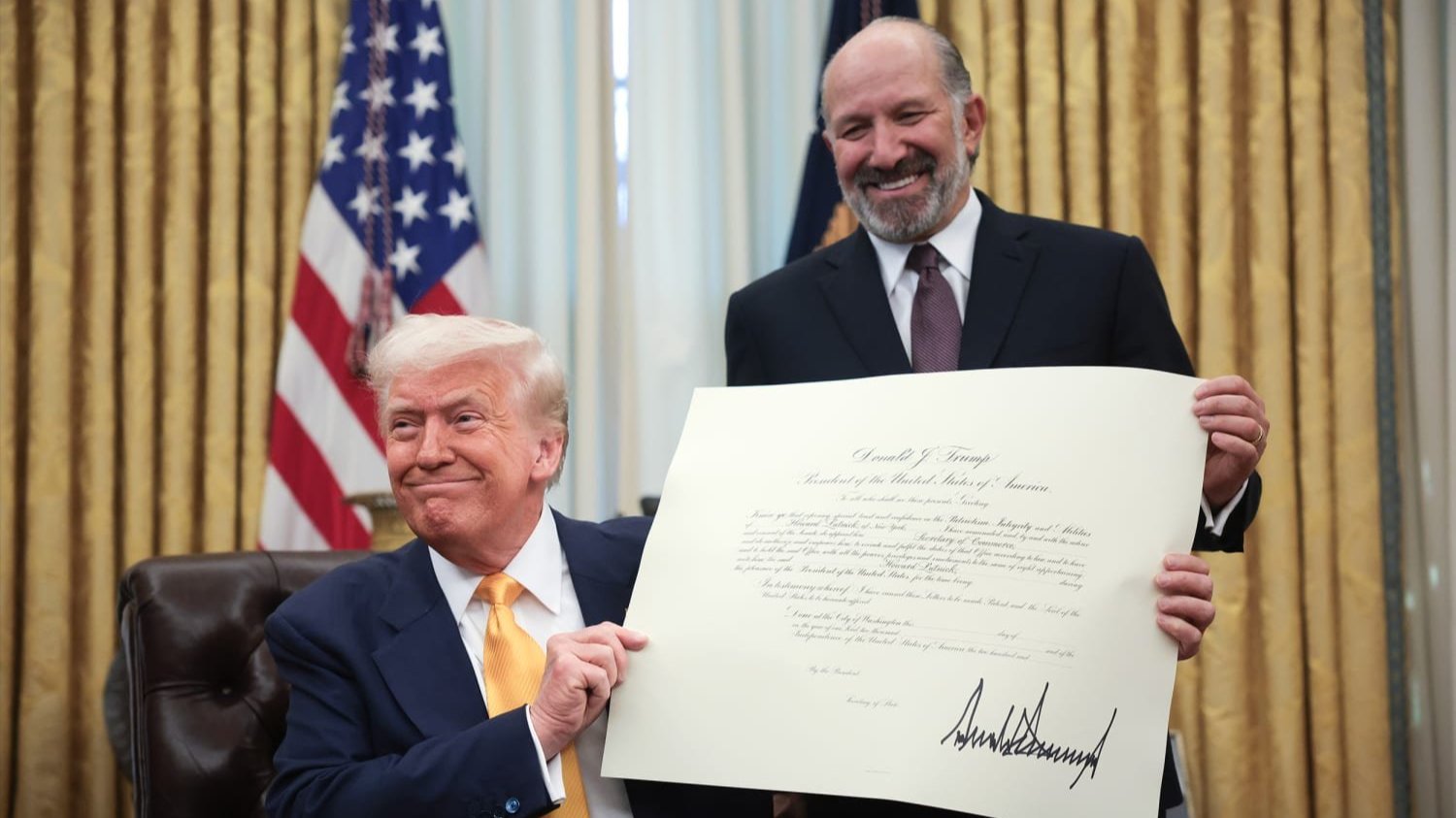
Earlier this month, Trump signed two disturbing executive orders targeting white-shoe law firms. On Friday he announced he was rescinding one of them when the firm, Paul Weiss, agreed to provide $40 million worth of pro bono legal services to support specific White House initiatives.
The message was clear: Work for Trump's opponents, and you'll be punished; work for him, and you'll be rewarded.
And the punishment was severe. The executive orders targeting Perkins Coie and Paul Weiss stripped their lawyers of security clearances needed to work on sensitive cases, cut the firms off from all government contracts and, in some cases, even barred their attorneys from entering federal buildings. That would make it impossible for them to work for certain clients — as one already did, citing the order.
Trump claimed he was enacting these sanctions because of "national security risks" and the firms' alleged "racial bias" in hiring due to "DEI," which are two of his favorite fabricated attack lines. But the executive orders undermined that argument when they began by rehashing old Trump complaints about the firms' political work.
The Perkins Coie order started by criticizing the firm for its work in 2016 for Hillary Clinton's presidential campaign, which included taking over research that became the Steele dossier, a document that contained allegations of collusion between Trump's campaign and the Russian government. (In the order, the Trump administration claimed that the dossier was "designed to steal an election.")
The Paul Weiss order, meanwhile, began by criticizing a partner who worked for special counsel Robert Mueller and on a case against Jan. 6 participants, and a former partner who worked on Trump's "hush money" case in Manhattan, which resulted in his conviction on 34 felony counts. (In the order, the Trump administration claimed that "global law firms" played a role in "undermining the judicial process and in the destruction of bedrock American principles.")
While a lower court judge blocked the Perkins Coie order temporarily, saying it sent "chills down [her] spine," Trump's intimidation campaign appears to be working. Behind closed doors, some of the country's most influential law firms are debating whether to push back publicly. Many, however, are too scared of retribution, according to five lawyers granted anonymity by Politico to speak candidly.
And it's not just lawyers. Judges overseeing cases tied to his agenda are receiving death threats. After Trump called for the impeachment of a federal judge who ruled against him, Chief Justice John Roberts issued a rare public rebuke, writing that "impeachment is not an appropriate response to disagreement concerning a judicial decision." So the point is this: Trump's threat to our judicial system goes far beyond him possibly ignoring a federal court ruling.
As the country's first president to be tried and convicted of crimes, Trump has always had a troubled relationship with the courts. But his new strategy isn't just about trying to win in court. It's about terrifying the legal profession into submission. Because if he can scare the nation's best lawyers away from taking cases opposing his interests, he can win before anyone even sets foot in a courtroom.
Read more exclusive insights from Jen Psaki here. And tune into "Inside with Jen Psaki" Mondays at 8 p.m. ET, and Sundays at 12 p.m. ET on MSNBC.