In his first week in office, President Donald Trump made clear that he is going to try to fulfill his campaign promises, for better and mostly worse.
But this blitz of executive orders, tariff threats and rhetorical attacks will also provide his opponents with many opportunities to make him less popular.
To take one example, a spending freeze at the National Institutes of Health has essentially halted work at the National Cancer Institute, including travel and registrations for upcoming conferences, buying new equipment, submitting research to medical journals and hiring new scientists, according to a report in Splinter that cites unnamed sources and staff emails.
This amounts to Trump taking cancer's side in the long-standing, bipartisan war on cancer.
If I were a Democratic congressional leader, I would shout this from the rooftops. I would book cable TV appearances, coordinate social media posts and meet with cancer victims and advocates for more research. If I had to, I would stand outside the National Cancer Institute with a protest sign.
There's no downside to this. Nobody likes cancer. And polls show that a supermajority of Americans think taxpayer money should be spent on cancer research.
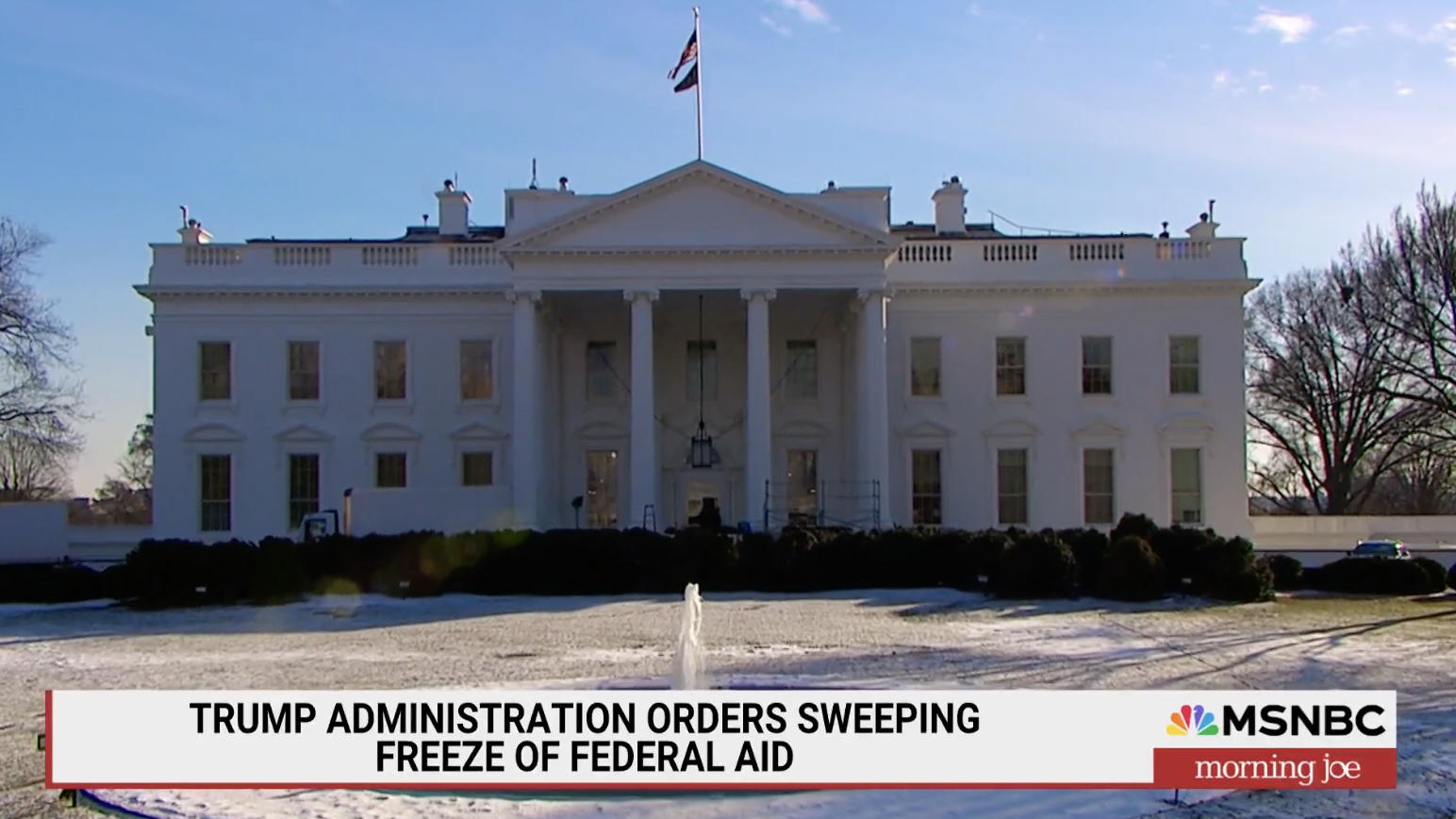
Over the past week, Trump has also threatened a trade war with Colombia that would have spiked the price of a cup of coffee, pardoned people convicted of a violent attack on the Capitol, fired government watchdogs who look for wasteful spending, floated the overhaul or elimination of the Federal Emergency Management Agency and reopened Alaskan wilderness for oil and gas drilling, among other things. Then, on Monday night, he announced a broad and legally dubious spending freeze that could hurt everyone from Medicaid recipients to kids on school lunch programs.
None of this is popular, and all of it is relatively easy to explain to voters. Some of it, he didn't even campaign on.
Read the rest of Katelyn Burns' column here.