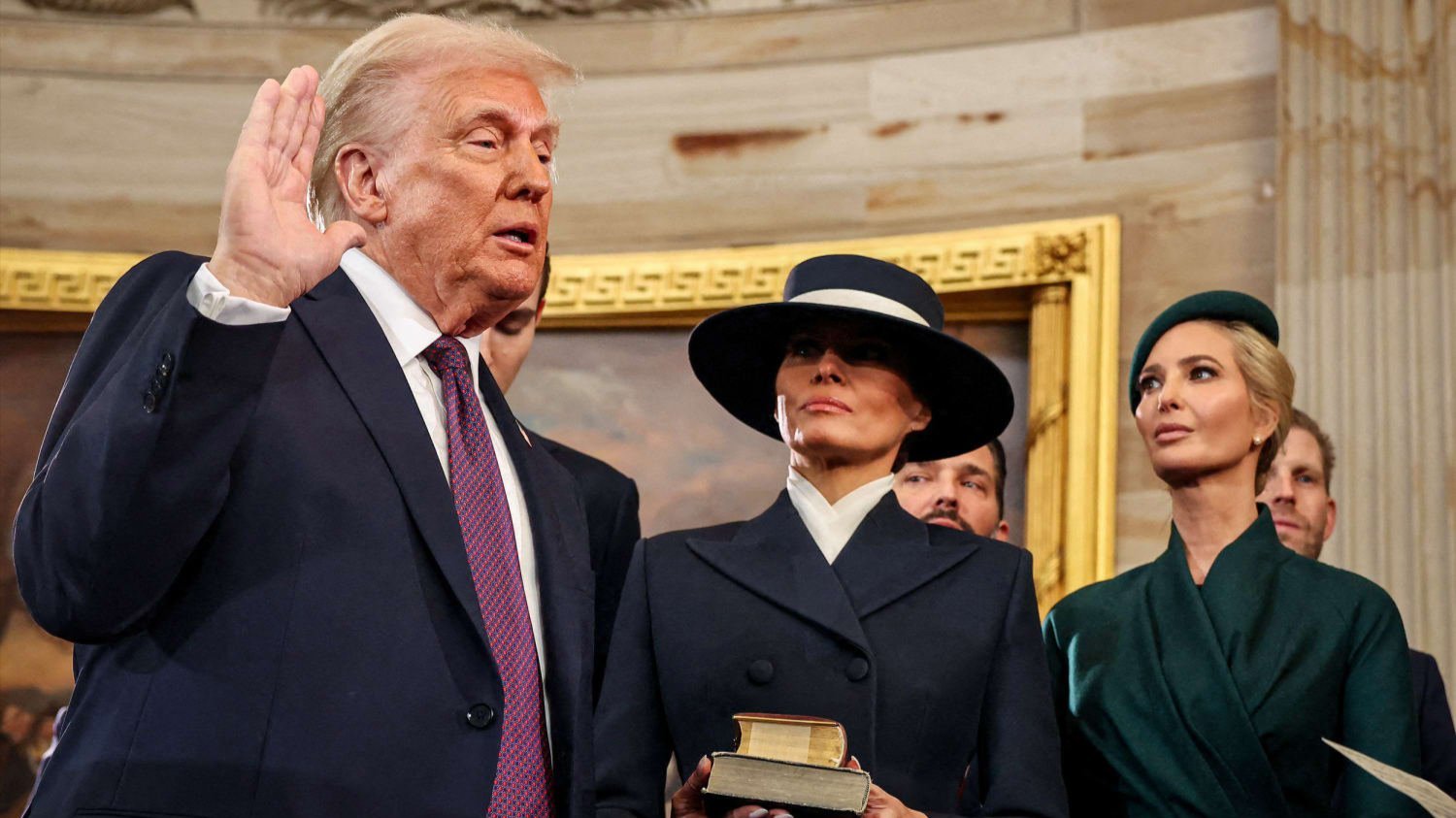
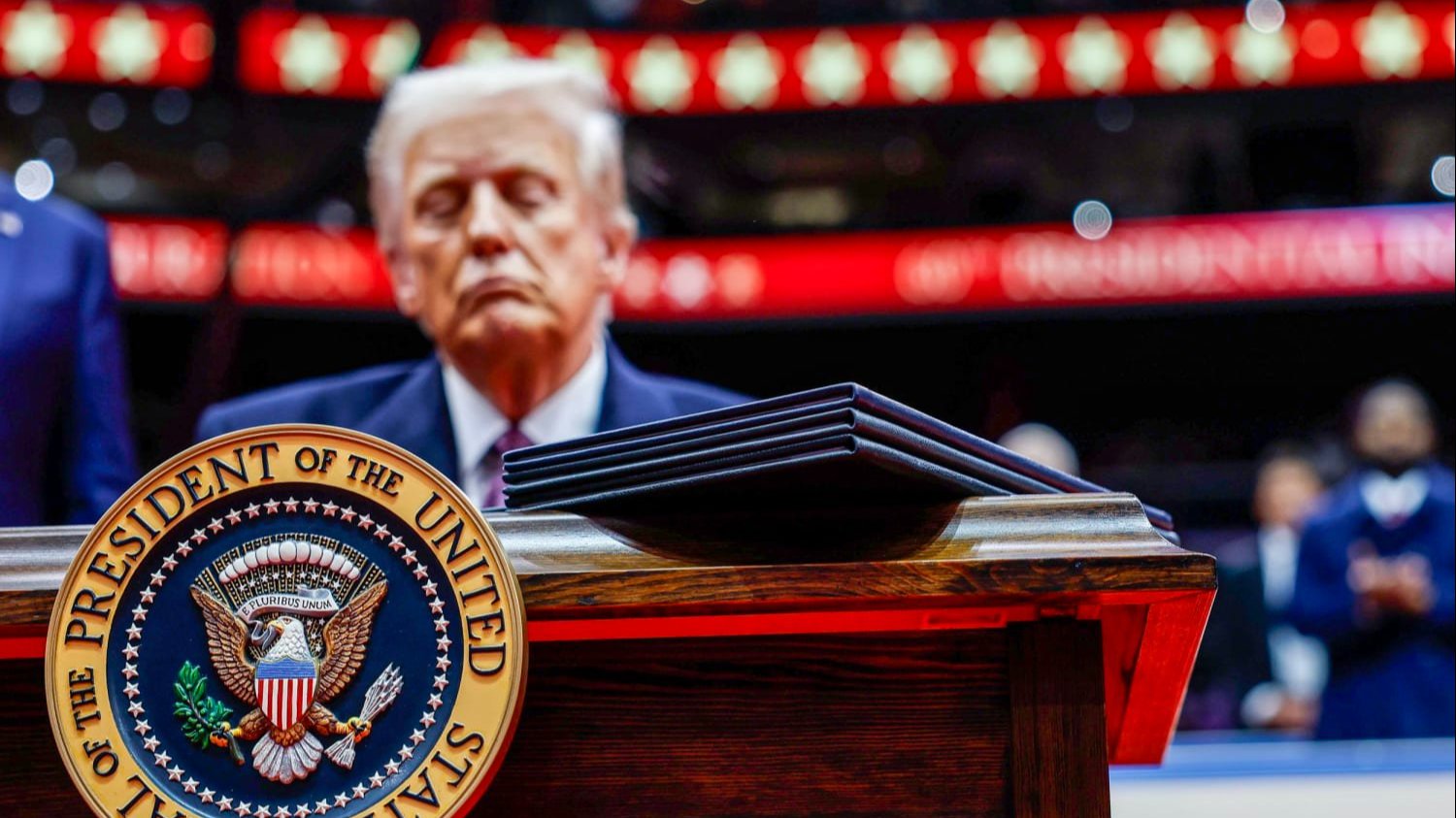
Donald Trump's inauguration speech was full of red meat for his supporters. There were vague but ominous references to a "horrible betrayal" of America in the recent past. He claimed that America's education system teaches young people to "hate our country." He lumped together the assassination attempt he survived in July with his years of legal problems, portraying all of it as the work of "[t]hose who wish to stop our cause." And he promised to "send troops to the southern border to repel the disastrous invasion of our country."
This is all pretty standard Trump stuff, infuriating to leftists like me but music to the ears of the MAGA faithful. About two-thirds of the way through the speech, though, he devoted two full paragraphs to talking about his admiration for the 25th President of the United States, William McKinley.
It was a deeply revealing moment. Trump is constantly portrayed by both friends and enemies as a "populist." Steve Bannon, for example, talks about Trumpism as a "nationalist, populist revolution." Bannon thinks that's a good thing. On the other end of the Republican spectrum we have Marc Short, former chief of staff for former Vice President Mike Pence, expressing horror at the prospect that Trump's new administration will be marked by "a populist ideology more akin to that of Bernie Sanders than Ronald Reagan." And yet Trump took time in his speech to effusively praise the greatest enemy of the original "populists."
This is a preview of Ben Burgis's latest article. Read the full column here.