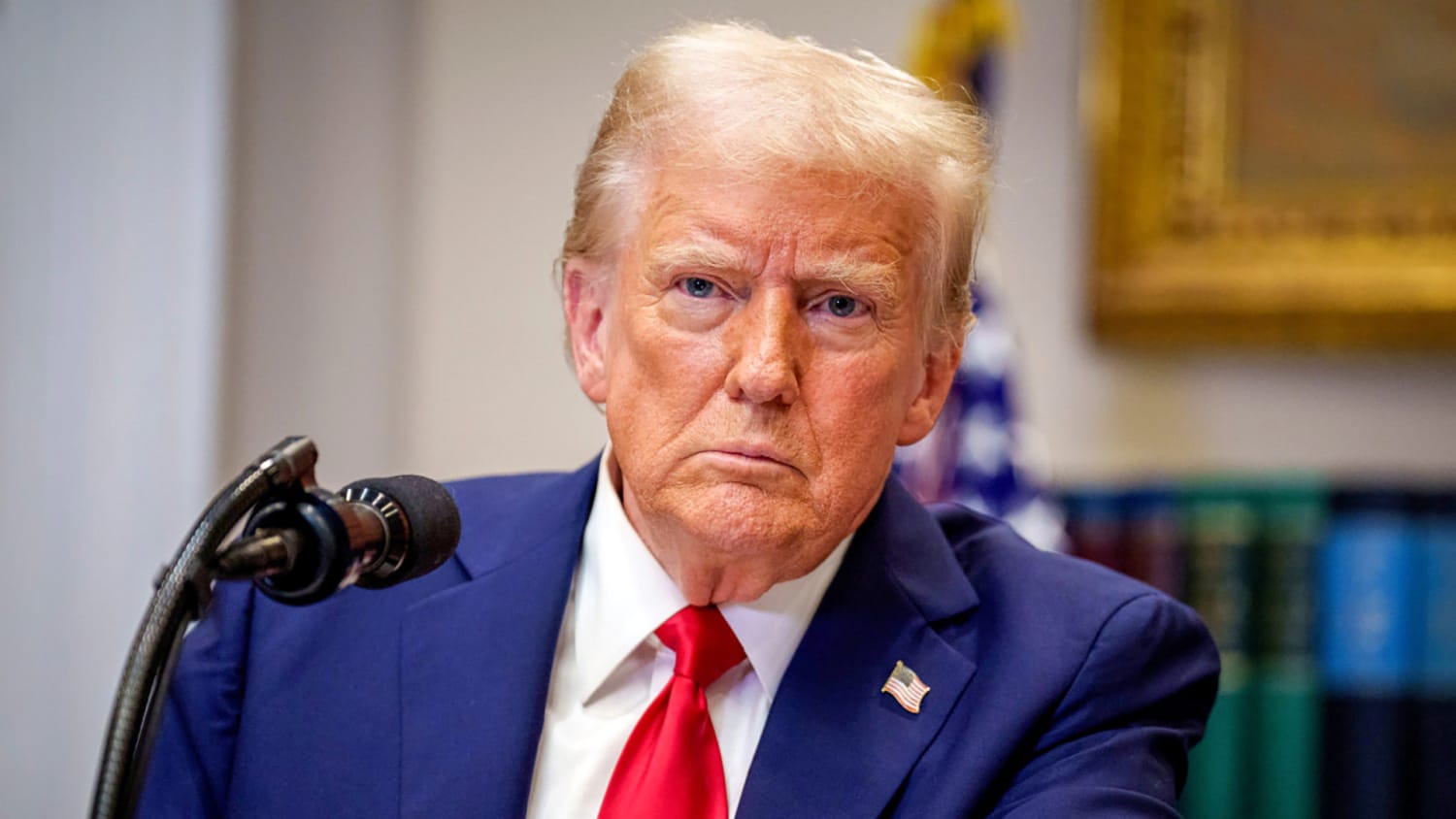
I try not to be in the business of scaring people, but there are moments when it feels warranted. President Donald Trump's decision to pardon or commute the sentences of around 1,500 people involved in the Jan. 6 insurrection, including the more than 600 people convicted of assaulting or resisting police officers, is one of those moments.
I can't stop thinking about what Enrique Tarrio, the Proud Boys leader sentenced to 22 years in prison for seditious conspiracy, had to say to "Infowars" host Alex Jones after he was released: "I'm happy that the president's focusing not on retribution and focusing on success, but I will tell you that I'm not gonna play by those rules." Tarrio and others like Oath Keepers leader Stewart Rhodes (who was also convicted of sedition) seem to view themselves as martyrs with a mission, and that mission includes revenge. "Now it's our turn," as Tarrio told Jones.
Trump finalized his decision to pardon almost all of the insurrectionists at the last minute. But in the process, he may have created something of a Frankenstein's monster.
The hundreds of violent Jan. 6 offenders who have now been granted unearned clemency have been sent a clear message: There are no consequences for their crimes.
The police officers who put their safety and lives on the line defending the Capitol have also been sent a message: Their sacrifices don't matter.
So while I know it can feel like a firehose of alarming information, I think this particular story deserves our attention.
Because for many of these insurrectionists, a pardon isn't the end of their story. It's a signal to keep going.
Read more exclusive insights from Jen Psaki here. And tune into "Inside with Jen Psaki" Mondays at 8 p.m. ET, and Sundays at 12 p.m. ET on MSNBC.