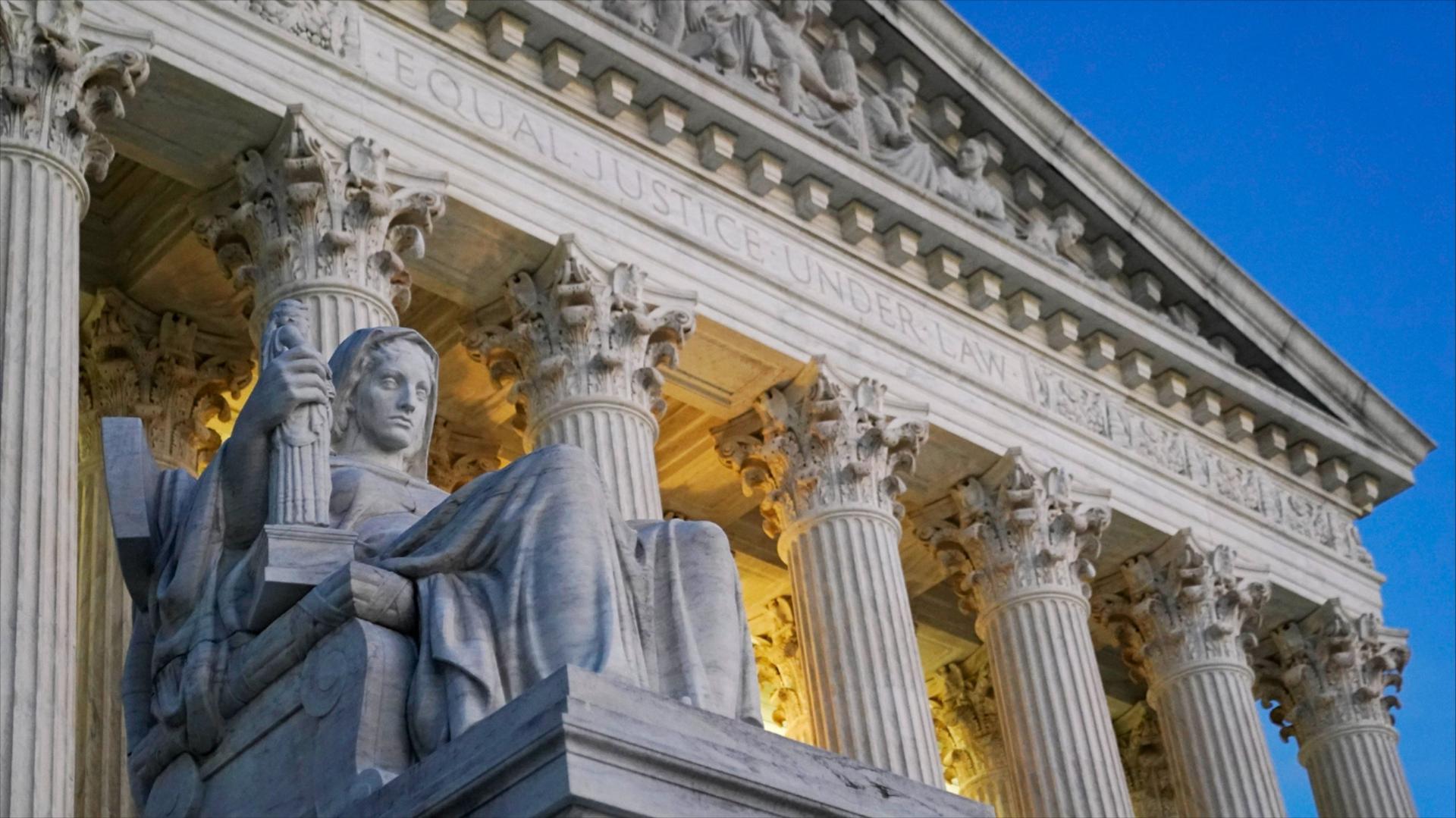
There are lots of reasons to lose faith in the conservative-leaning Supreme Court. Following allegations of eye-popping ethical lapses and the historic ruling overturning Roe v. Wade, trust in the Supreme Court has sunk to its lowest point in over 50 years. Believe me I get it.
But even this court does not always rule in Donald Trump's favor.
When Trump attempted to prevent New York City prosecutors from obtaining his tax returns, the court dismissed his request.
Last year, when Trump asked the court for a special master to review the classified documents taken from Mar-a-Lago, the justices rejected him.
When Trump requested that the Supreme Court intervene and stop the disclosure of his tax returns to House Democrats, it refused to intervene.
And when Trump asked the court to block the release of White House records as part of the House's investigation into Jan. 6, the court dismissed his request yet again.
On Friday, the Supreme Court agreed to consider Trump's eligibility under the 14th Amendment. It is also likely to consider the scale and scope of presidential immunity. It's natural to be pessimistic about these upcoming rulings, but past precedent shows we shouldn't always assume the worst. At least when it comes to the court and Trump's legal trouble.
But the sliver of good news is that past precedent shows we shouldn't always assume the worst when it comes to how they will rule on Trump's legal cases.
Read more exclusive insights from Jen Psaki here. And tune into "Inside with Jen Psaki" Mondays at 8 p.m. ET, and Sundays at 12 p.m. ET on MSNBC.