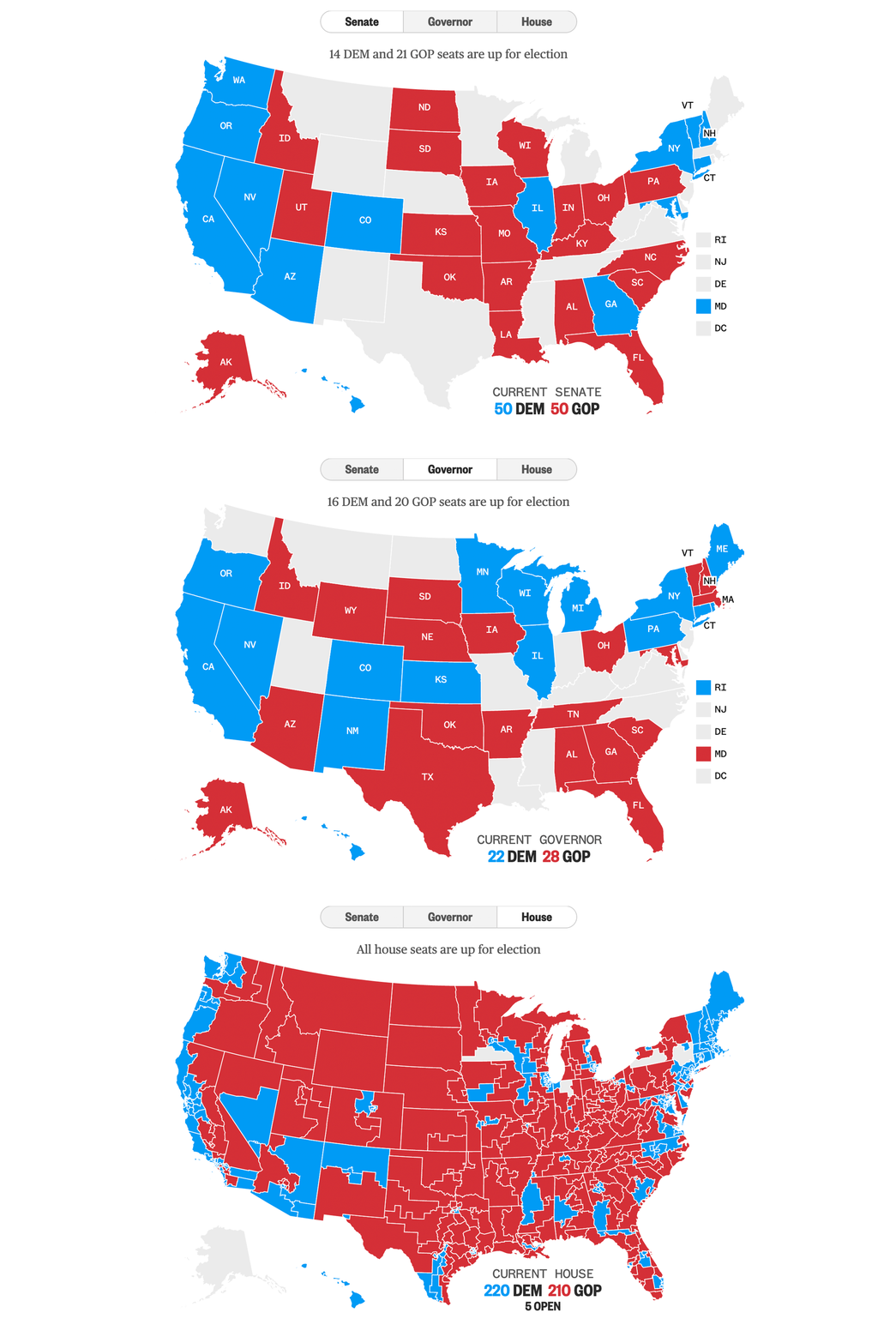
If Republicans do succeed in winning the House next week, it will mark the fifth time in the past generation that the chamber has changed hands.

7 DAYS TO THE MIDTERM ELECTIONS |
|
|
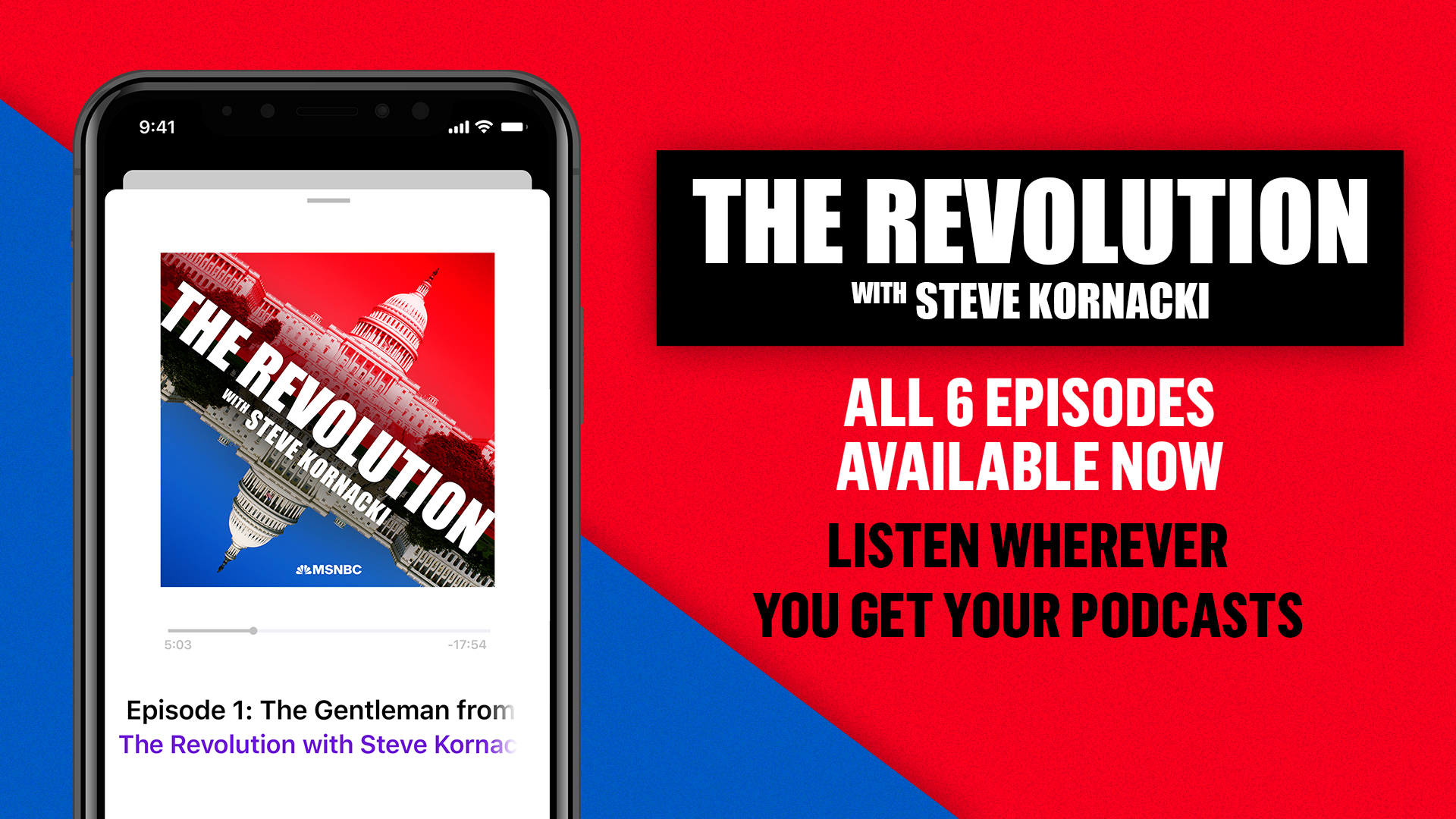
If Republicans do succeed in winning the House next week, it will mark the fifth time in the past generation that the chamber has changed hands. Before this year, there was the blue wave of 2018 that lifted Democrats to power in the House; the "shellacking" that cost Democrats their majority in Barack Obama's 2010 midterm; the "thumping" that Republicans suffered under George W. Bush in 2006; and the original (at least in our modern era): the Republican Revolution of 1994, which ended 40 years of Democratic rule in the House. It is that '94 election that is the subject of my new podcast, which debuted this week. (All six episodes, in fact, dropped at once and are, as they say, available wherever you get your podcasts.) The series is focused on Newt Gingrich, who arrived in the House of 1978, a time when Democrats had been running the show for decades and almost no Republican knew any other way. Gingrich recognized, though, how the political world was changing, in no small part because of the rise of cable television and the creation of C-Span, the channel devoted to gavel-to-gavel coverage of House proceedings. He foresaw before many others the potential for politics to be nationalized through media — by turning the events of the House into a drama, creating clear definitions and contrasts between the parties, and embracing partisan confrontations as a means of prodding Americans to take sides. Through a series of tumultuous events spanning more than a decade, he finally realized his dream with the '94 revolution, a result that few saw coming right up until the moment it actually happened. In the process, Gingrich redefined his party, transformed the House and — arguably more than anyone else — helped to nationalize American politics. In many ways, the political world we are living in today is the product of the '94 Republican Revolution. |
|
|
MADDOWBLOG'S CAMPAIGN ROUND-UP |
|
|
In Arizona's U.S. Senate race, the Libertarian Party's candidate, Marc Victor, just ended his candidacy and threw his support behind Republican Blake Masters. (Victor's name, however, will remain on the ballot, since it's too late to remove him.) Meanwhile, in Georgia's U.S. Senate race, the final Atlanta Journal-Constitution poll found Republican Herschel Walker narrowly leading Democratic Sen. Raphael Warnock, 46% to 45%. (If we get picky about it, those numbers are actually rounded a bit: Walker actually led Warnock in the survey, 45.5% to 45.2%.) Read the rest of Steve Benen's round-up here. |
|
|
Georgia's Republican secretary of state primary on May 24 Brad Raffensperger, Jody Hice, David Belle Isle and Torri M. Hudson Projected winner: Brad Raffensperger Nevada's first Congressional District Democratic primary on June 14 Dina Titus vs. Amy Vilela Projected winner: Dina Titus Arizona Democratic governor primary on Aug. 2 Katie Hobbs vs. Marco Lopez Projected winner: Katie Hobbs Michigan's 8th Congressional District Republican primary on Aug. 2 Paul Junge, Matthew Seely and Candice Miller Projected winner: Paul Junge Florida Democratic Senate primary on Aug. 23 Val Demings, Brian Rush, William Sanchez and Ricardo De La Fuente Projected winner: Val Demings Read more in MSNBC's key midterms match-up guide. |
|
|
|